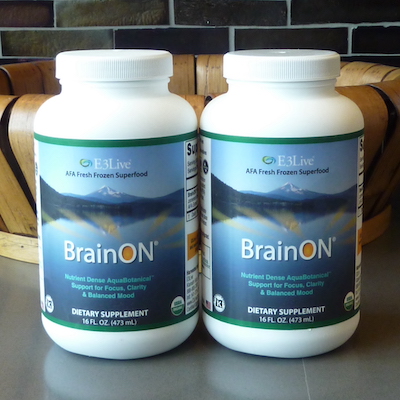
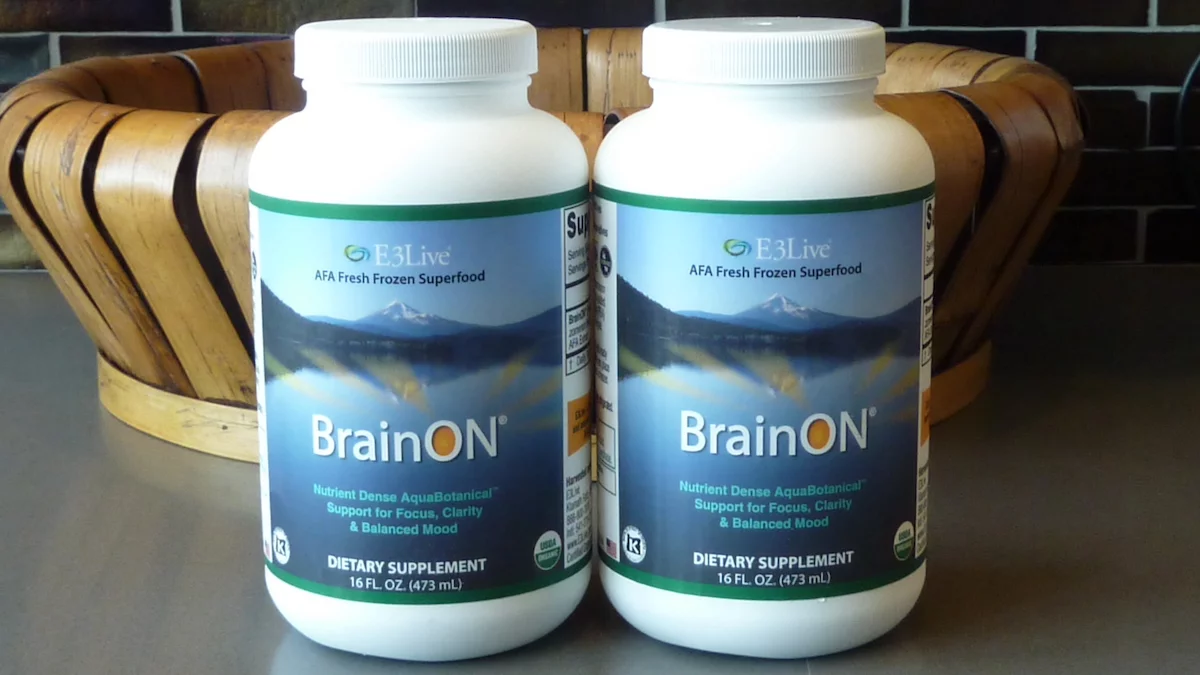
BrainON is certified organic, fresh-frozen AFA (Aphanizomenon flos-aquae) with a concentrated, aqueous, organic extract of Phenylethylamine and Phycocyanin. Learn more.
For those of us who are fans of Dr. Bronner’s, the company’s products have a constant presence in our households, and we use them to clean our bodies and physical surroundings on a daily basis.
While this is unquestionably a critical component of our lives and imperative to maintain good health, cleaning transcends removing whatever is on our skin, on our clothes or on our kitchen countertops. It also affects our emotional well-being and directly impacts how we show up in the world.
For as long as I have been covering the organic food industry, I have attended Natural Products Expo East, with my first show in Boston in 2009.
So, it is very bittersweet to report that after last week’s show in Philadelphia, there will be no more Expo East moving forward. New Hope, the organizer of the event, has decided to launch something new in 2024 called Newtopia Now.
In yet another study, we have more evidence that organic is a healthier choice.
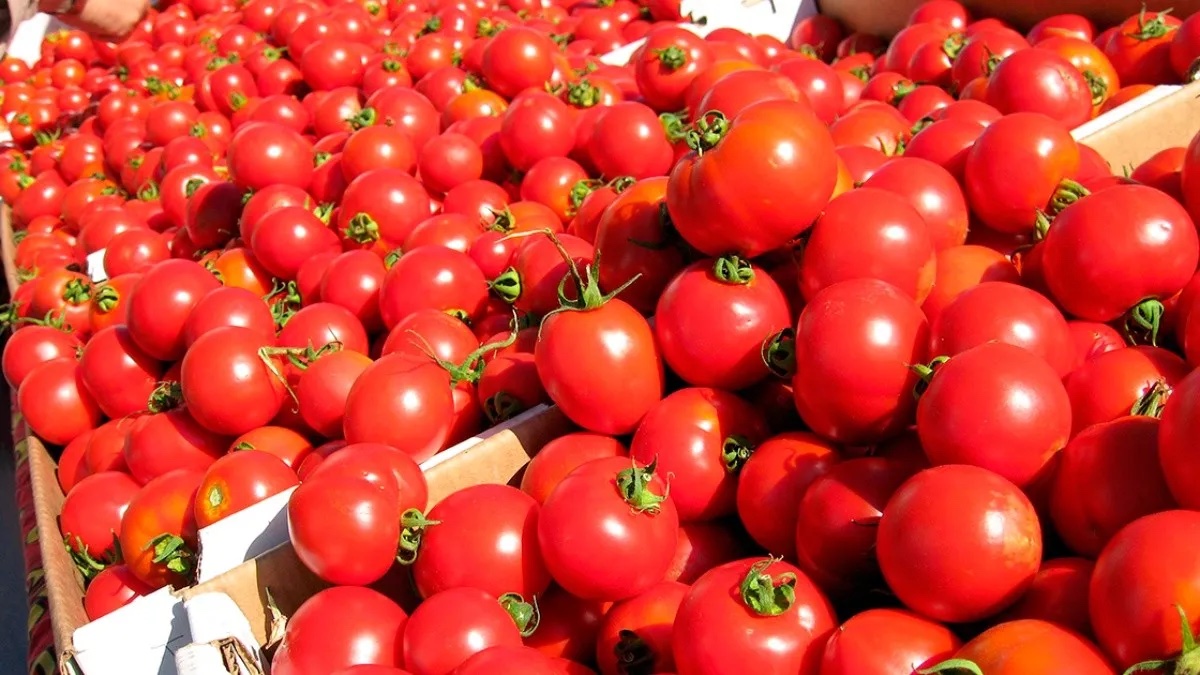
A report out of the University of Barcelona claims that organic tomatoes have a higher amount of antioxidants than conventional tomatoes.
Researchers used liquid chromatography coupled to mass spectrometry to determine that organic tomatoes have a greater amount of phenolic compounds or polyphenols. Polyphenols, which are natural antioxidants of plant origin, are associated with the prevention of cardiovascular and degenerative diseases, and some forms of cancer.
"My Everyday, Must-Have Green Organic Aquabotanical"
The best testimonial that I can give is that I drink this every single day, as it impacts my mood in an incredibly positive way.
E3Live + BrainON is certified organic, fresh-frozen AFA (Aphanizomenon flos-aquae) with a concentrated, aqueous, organic extract of Phenylethylamine and Phycocyanin.
Last year, I wrote about a groundbreaking study from Washington State University that said that organic strawberries have higher antioxidant activity and concentrations of ascorbic acid than conventional strawberries.
This research was the subject of much conversation in the organic industry because now we could point to objective, independent research that validated the superiority of organic.
Well, for those who still don’t believe that organic is a better option, maybe a recently released report from Spain will make them think differently.
In a study performed at the University of Barcelona Science and Technology Centres and reported in the Journal of Agricultural and Food Chemistry, ketchup made from organic tomatoes proved to have higher levels of polyphenols than ketchup made from conventional tomatoes. (Polyphenols are biomolecules with antioxidant properties and protective effects in the human body.)
Recently, I got an e-mail from a reader asking how she would know if she is eating genetically-modified soy or not.
Figuring that many other people may have that same question, I wanted to explain how to avoid eating genetically-modified food (GMOs) and the things that you need to look out for.
#1 – Buy USDA Certified Organic Products GMOs are prohibited in organic food. Therefore, look for products that contain the USDA certified organic seal.
Even though GMOs are prohibited in organic, organic crops can be contaminated by GMOs through cross-pollination and drift. (That is why the proliferation of GMOs is a real threat to organic farming. The co-existence of GM-crops and organic crops is simply not possible, despite what our government would like us to believe.)
USDA rules require that organic certifiers test samples from at least 5% of the operations they certify on an annual basis.
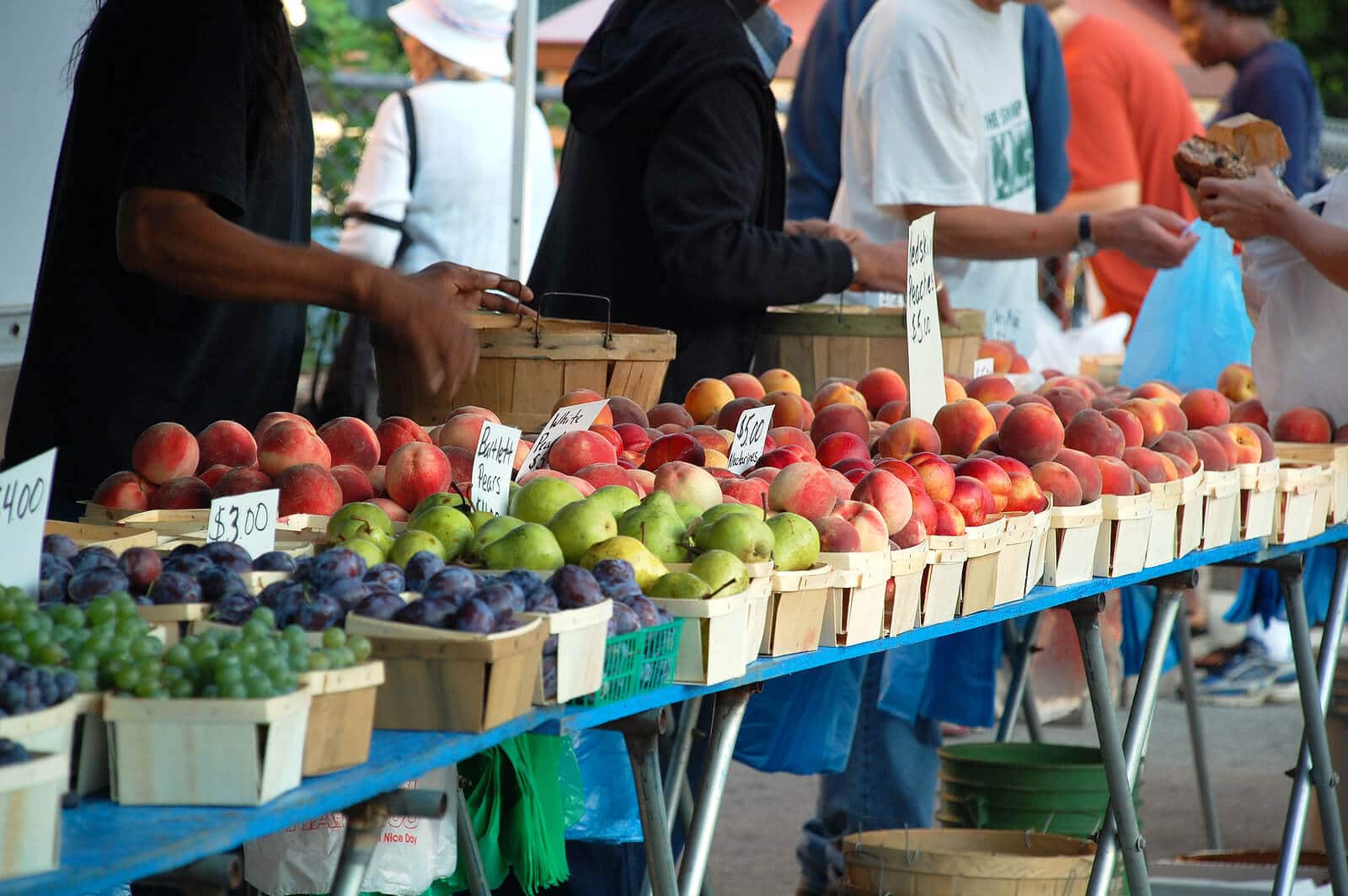
For several years, the local food movement has been gaining some serious momentum. Supermarkets are pushing locally-grown food and restaurants insert “local” into their menus as often as possible.
I have a good friend of mine who proudly and constantly tells me that he is eating local food all of the time. When I hear this, I just kind of shake my head. Why do I have this reaction?
While this issue is very complicated and the circumstances of every single piece food is vastly different, there is a lot more to this than many people realize and “local” isn’t necessarily better.
Yes, local food means that it has traveled a lot less (within 150 miles seems to be the accepted range) than something that has been shipped across the country.
For the second year in a row, Natural Products Expo East returned to Philadelphia, and I enjoyed my time in the city much more than I ever anticipated.
Not only was it great to see all of my friends again in the industry, but I ate incredibly well at two phenomenal restaurants — P.S. & Co. and Vedge.
I also saw some fantastic and innovative products at the show, with a few of them in the condiment category.
According to research recently published in the Environment Health Perspectives, pregnant women who are exposed to organophosphate pesticides have a very, very high probability of having kids who suffer from ADHD.
The study tracked Mexican-American women in Salinas Valley, CA who were exposed to high levels of pesticides and then diagnosed their kids when they were between 3 and 5 years old. The results were not good and also not in the least bit surprising.