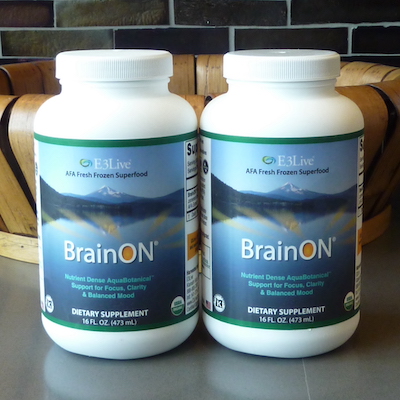
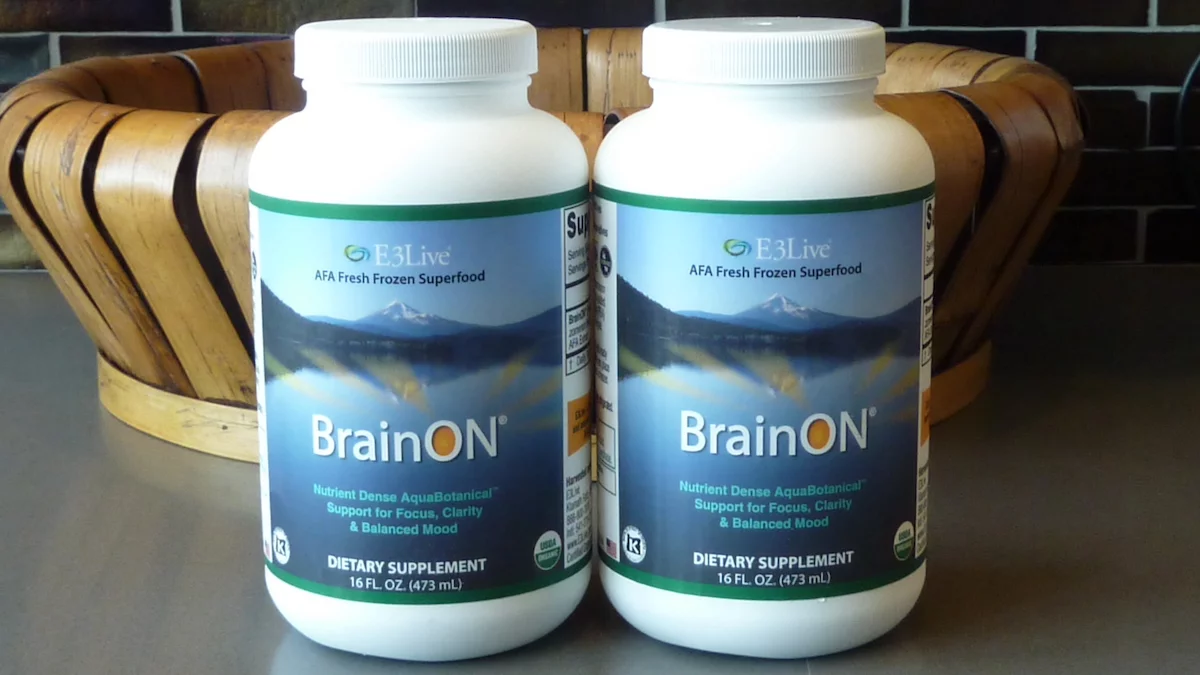
BrainON is certified organic, fresh-frozen AFA (Aphanizomenon flos-aquae) with a concentrated, aqueous, organic extract of Phenylethylamine and Phycocyanin. Learn more.
For as long as I have been covering the organic food industry and giving out Natural Products Expo West awards, it has always been a Top 5 list.
However, due to the incredible number of fantastic products that I saw at the 2024 show and at the urging of my good friend Liana Werner-Gray, I have expanded the list to a Top 10.
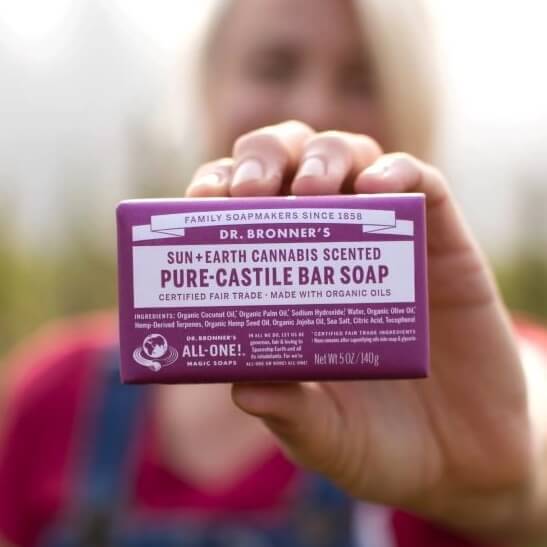
For those of us who are fans of Dr. Bronner’s, the company’s products have a constant presence in our households, and we use them to clean our bodies and physical surroundings on a daily basis.
While this is unquestionably a critical component of our lives and imperative to maintain good health, cleaning transcends removing whatever is on our skin, on our clothes or on our kitchen countertops. It also affects our emotional well-being and directly impacts how we show up in the world.
For as long as I have been covering the organic food industry, I have attended Natural Products Expo East, with my first show in Boston in 2009.
So, it is very bittersweet to report that after last week’s show in Philadelphia, there will be no more Expo East moving forward. New Hope, the organizer of the event, has decided to launch something new in 2024 called Newtopia Now.
It is bad enough that we have to deal with genetically-engineered foods, but now we are facing the prospect of something potentially even more scary: genetically-engineered trees.
Tree biotech company ArborGen is requesting an unprecedented USDA approval for its genetically-engineered (GE), “freeze tolerant” eucalyptus. If the USDA grants this approval, it will be the first-ever GE-forest tree to be commercially grown in the U.S., allowing ArborGen to plant massive, unregulated GE-tree farms.
Why Tradin Organic is Prioritizing Regenerative Organic Farming
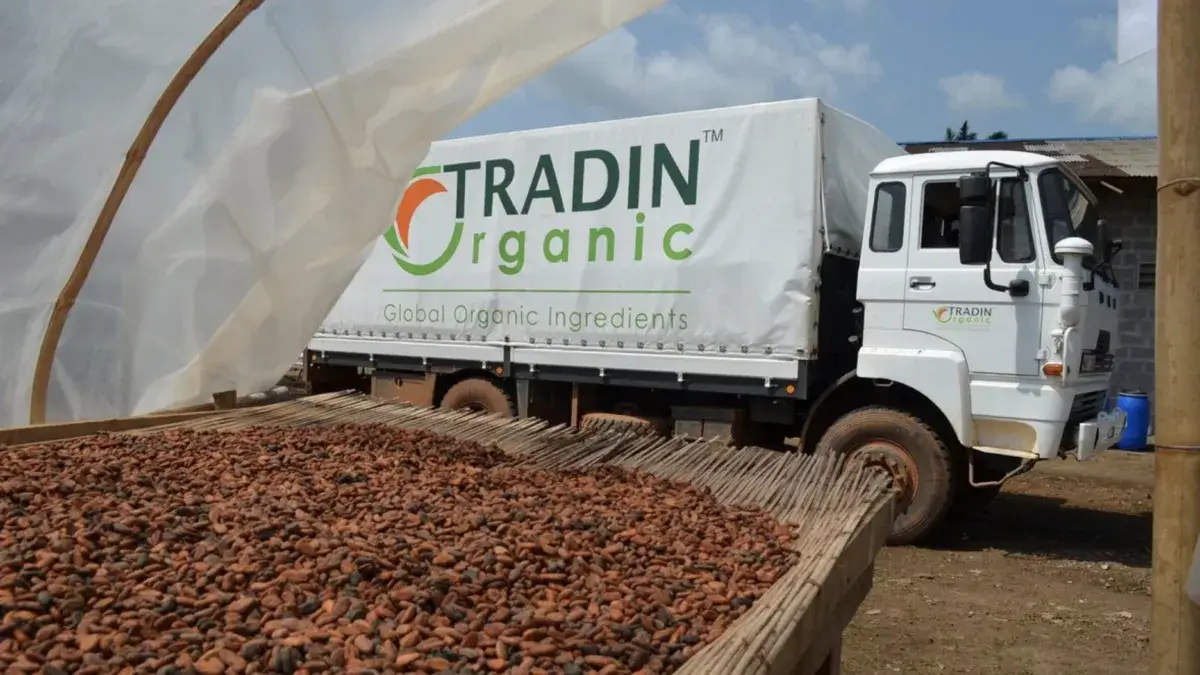
At Tradin Organic, we believe that regenerative organic farming is key to growing healthy and nutritious food ingredients — for now and for future generations.
And in Sierra Leone, we have grown the world’s first Regenerative Organic Certified cacao.
I am in Denver for Thanksgiving and will be heading back to Boston tomorrow. Two things have been on my mind.
1) In case you didn’t know, I am an absolute AM radio junkie, mostly sports radio. One of my favorite hosts is Colin Cowherd from ESPN Radio. Practically every single night, I replay some of his segments from earlier in the day.
Something Colin always says resonates with me very deeply, especially now as I am starting to build an audience of my own. He acknowledges that there are many, many options out there and appreciates that people have decided to spend their time listening to him.
And, that is how I feel. There are millions and millions of websites out there, and I am very appreciative that people take the time to read what I write and watch my videos. I do my best to provide interesting and compelling content, both information related to organic food and specific personal issues that I deal with.
With more than 80% of U.S. consumers purchasing organic food on a regular basis, the industry continues to surge in popularity, and there are more organic brands – and choices – than ever.
Yet, when one takes a deeper look at what is happening behind the scenes, the picture is rather unsettling. Most notably, the farmers are suffering beyond imagination.
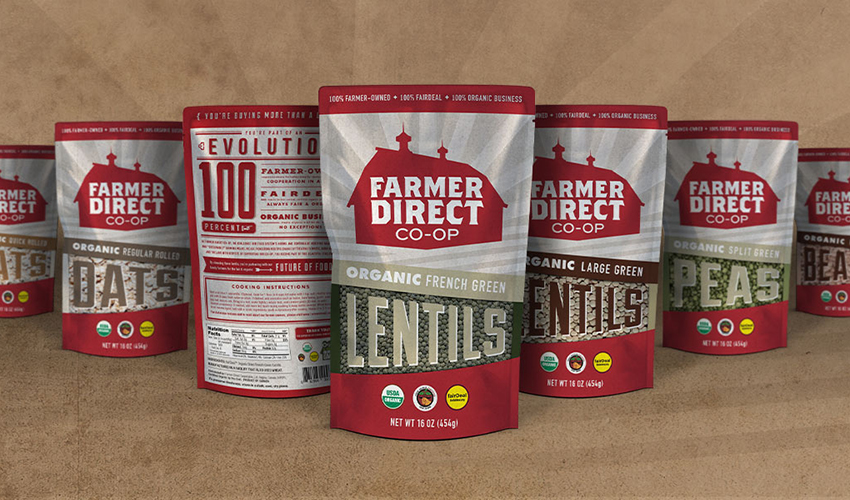
Canada-based Farmer Direct Organic, a certified organic producer of grains, seeds and legumes, is acutely aware of this problem and is making it a cornerstone of the company’s operating philosophy.
I got a comment from someone the other day who said “Why should we care about GMOs (genetically-modified organisms)? Let them grow what they want. It doesn’t impact the people who eat organic.”
Unfortunately, this individual could not have been more wrong.
GMOs impact everyone, including people who eat 100% organic, and a recent study from the Pesticide Action Network confirms this.
Water sampling results from communities across four Midwestern states — Illinois, Nebraska, Iowa and Minnesota — indicate Atrazine is present in drinking water at levels well above those linked to birth defects and low birth weight.
WHAT IS ATRAZINE AND WHY YOU NEED TO KNOW ABOUT IT
Present in 94% of our water supply, Atrazine is a toxic weed killer and 76 million pounds of it is dumped onto our farms each year, mostly for corn.
I learned how to meditate in college when I took a Transcendental Meditation class and have maintained a very serious practice over the past 11 years.
For some reason, I don’t remember doing it that consistently in the 90s. Most likely, it was the hard-partying lifestyle that got in the way.
Anyhow, my meditation practice is something that I cannot live without. It calms me down, centers me and gets me more focused. Nothing makes me more relaxed or present.
So, when I get up in the morning I sit and meditate for 20 minutes. The meditation is Transcendental Meditation, which uses a mantra as a way to keep the mind from wandering.
And after I finish meditating, I do something called Creating My Day.
"My Everyday, Must-Have Green Organic Aquabotanical"
The best testimonial that I can give is that I drink this every single day, as it impacts my mood in an incredibly positive way.
E3Live + BrainON is certified organic, fresh-frozen AFA (Aphanizomenon flos-aquae) with a concentrated, aqueous, organic extract of Phenylethylamine and Phycocyanin.
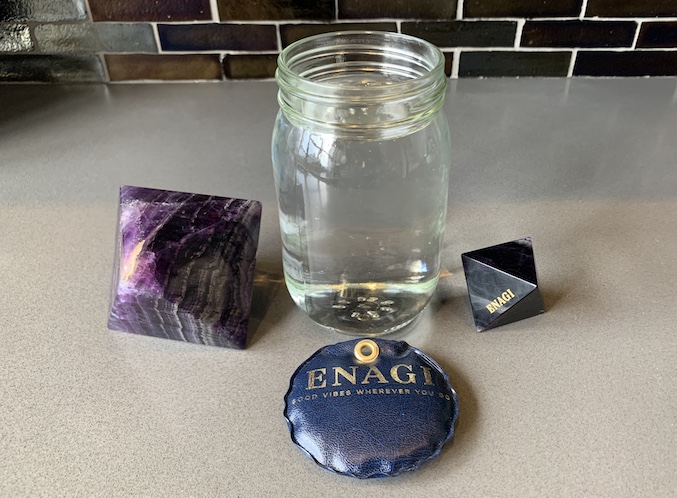
If you are interested in or believe in the power of crystals, Enagi is one product that you will absolutely want to know about.
In this post, I will discuss what makes these crystals so unique, what Zero Point Energy is, and the impact that these crystals have had on my life, particularly my sleep.
THE BASICS
A crystal is simply elements put into a harmonious structure — harmoniously ordered on an atomic level.
Stories about the toxicity of our food supply just keep rolling in.
As I wrote about recently, numerous samples of conventional apple juice were found to have unsafe and illegal levels of arsenic. And now orange juice is having its own set of problems.
Coca-Cola, which makes Minute Maid and Simply Orange, reported to the FDA on December 28th that some Brazilian growers of oranges that are used in the company’s juices and those of its competitors had sprayed their trees with carbendazim, a toxic fungicide.
As a result, the FDA temporarily halted all shipments of imported orange juice while it conducts field tests. Products already on supermarket shelves that have “low levels” of carbendazim (80 parts per billion) may still be sold.