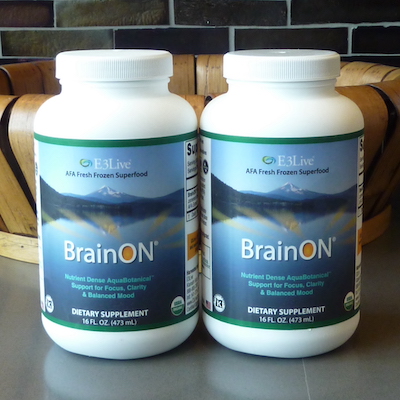
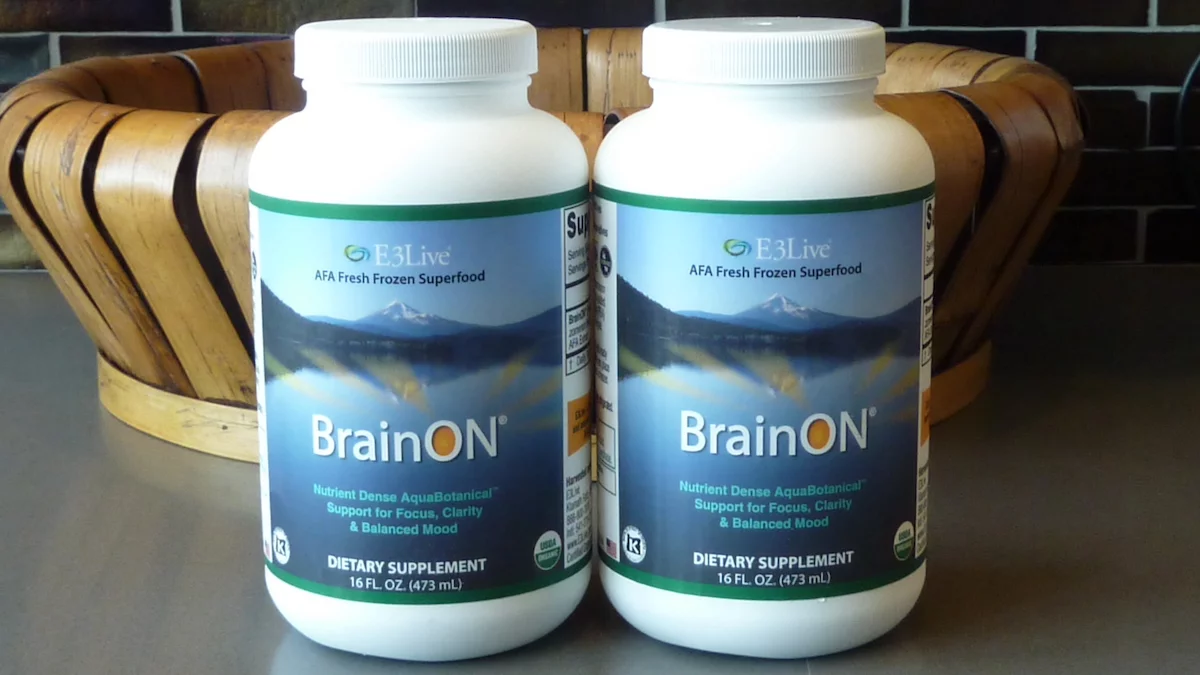
BrainON is certified organic, fresh-frozen AFA (Aphanizomenon flos-aquae) with a concentrated, aqueous, organic extract of Phenylethylamine and Phycocyanin. Learn more.
The evidence as to why people should choose organic over conventional just keeps rolling in.
In a brand new study just published by researchers at Newcastle University in England, it was found that organic fruits, vegetables, and grains contained higher levels of antioxidants and lower levels of pesticides compared to the same conventionally-grown food.
"My Everyday, Must-Have Green Organic Aquabotanical"
The best testimonial that I can give is that I drink this every single day, as it impacts my mood in an incredibly positive way.
E3Live + BrainON is certified organic, fresh-frozen AFA (Aphanizomenon flos-aquae) with a concentrated, aqueous, organic extract of Phenylethylamine and Phycocyanin.
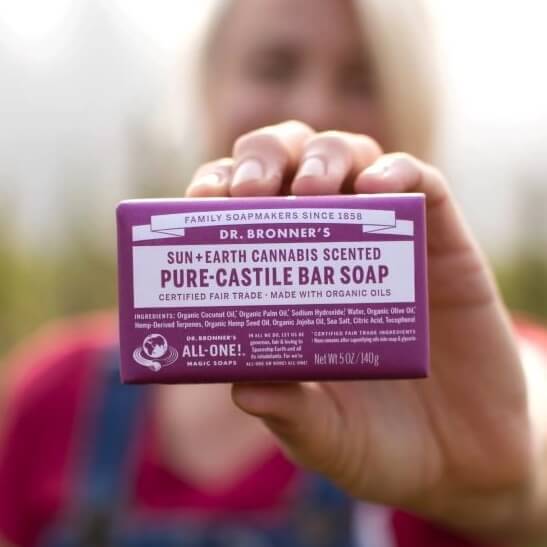
Dr. Bronner’s may very well be the most unique company in the entire organic industry.
Not only has it been producing super-high quality soaps, cleaning and personal care products, and coconut oils since 1948, but its unconventional approach and commitment to social and environmental issues truly set it apart.
Most notably, the company gives 8.6% of its revenues to hundreds of different causes. Yes, 8.6% of revenues — a staggering amount.
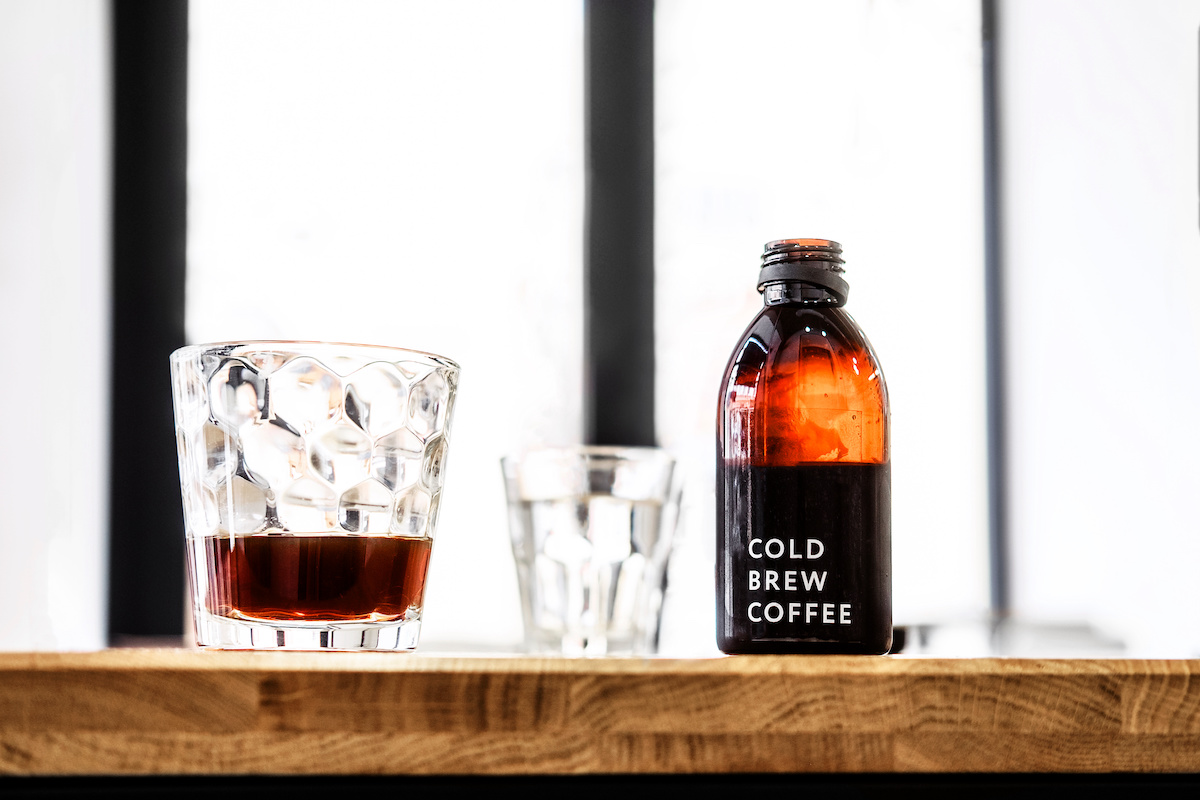
Despite the fact that it has become a burgeoning trend in the beverage world, cold-brew coffee is still a relatively unknown quantity to the average person on the street.
In a very unscientific poll that I conducted, the majority of people that I talked to had heard of cold-brew coffee but couldn’t give me a good answer as to what it is and why people should be drinking it. And to be perfectly honest, I was pretty in the dark about cold-brew as well.
While I know that choosing organic coffee is a must, because coffee is one of the most chemically-treated crops in the world, I, too, had many questions about this increasingly popular drink.
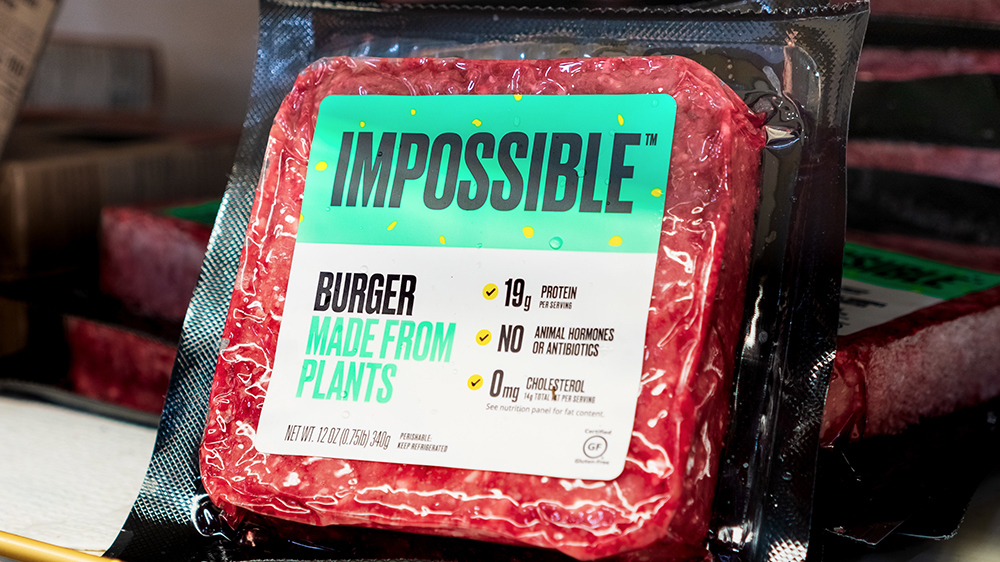
* Impossible Foods is “misleading consumers” about the key ingredient in the Impossible Burger.
* The Company told the U.S. Food & Drug Administration (FDA) that its soy leghemoglobin was “substantially similar” to proteins consumed daily by the global population, in the form of meat and other vegetables.
However, on the Impossible Foods website, it claims that the heme in the Impossible Burger is “identical” to the heme humans have been consuming for hundreds of thousands of years in meat and other foods.
* The FDA told Impossible Foods that its arguments “do not establish safety of SLH (soy leghemoglobin) for consumption.” The company decided to sell the Impossible Burger to the public anyway.
* Impossible Foods relied on the expert testimony of scientists who have worked for or have links to Monsanto, the Gates Foundation, Philip Morris and all of the major biotechnology companies.
* 20 minutes after eating an Impossible Burger for the first time, a man Tweeted “went into anaphylactic shock & taken to ER.”
——
One of the biggest stories in the food world over the past few years has been the Impossible Burger, the plant-based burger that bleeds when you bite into it.
The goal of the Impossible Burger is to help make a dent in climate change by offering a plant-based burger that does not come from an animal. Animals require a tremendous amount of water and feed, and also produce greenhouse gases. Because the burger is made from plants, the other thing that the Impossible Burger would do is to help alleviate the killing of animals.
In the summer of 2001 and at the urging of my then-girlfriend, I went for an appointment to go see her naturopathic doctor in New York City, the place where we were both living at the time.
Having done acupuncture since high school, I had always been open to alternative medicine and was curious what this woman could do for me.
During our session, she asked me about all of my health and dietary habits – eating, drinking, smoking, drugs, exercise. Everything. In the midst of this conversation, the topic of organic food somehow arose. I remember that I had some notion about what organic food was but wasn’t overly familiar with it.