


Explore Coverage

Livingmaxwell Homepage

Organic Insider

Company Stories

Cornucopia Institute Requests that the USDA National Organic Program be Investigated for Corruption Charges over its Approval of Synthetic DHA and ARA Supplements


Let me say right up front that I support the USDA’s national organic certification program. Why?

Because it is the only nationally recognized and accepted system we have in place for organic standards.

I firmly believe that the more people we have participating and engaged in the system, the stronger it will become. Conversely, the more people who opt out of the system, the weaker it will become.

Go deeper Arrow

A message from E3Live

"My Everyday, Must-Have Green Organic Aquabotanical"

The best testimonial that I can give is that I drink this every single day, as it impacts my mood in an incredibly positive way.

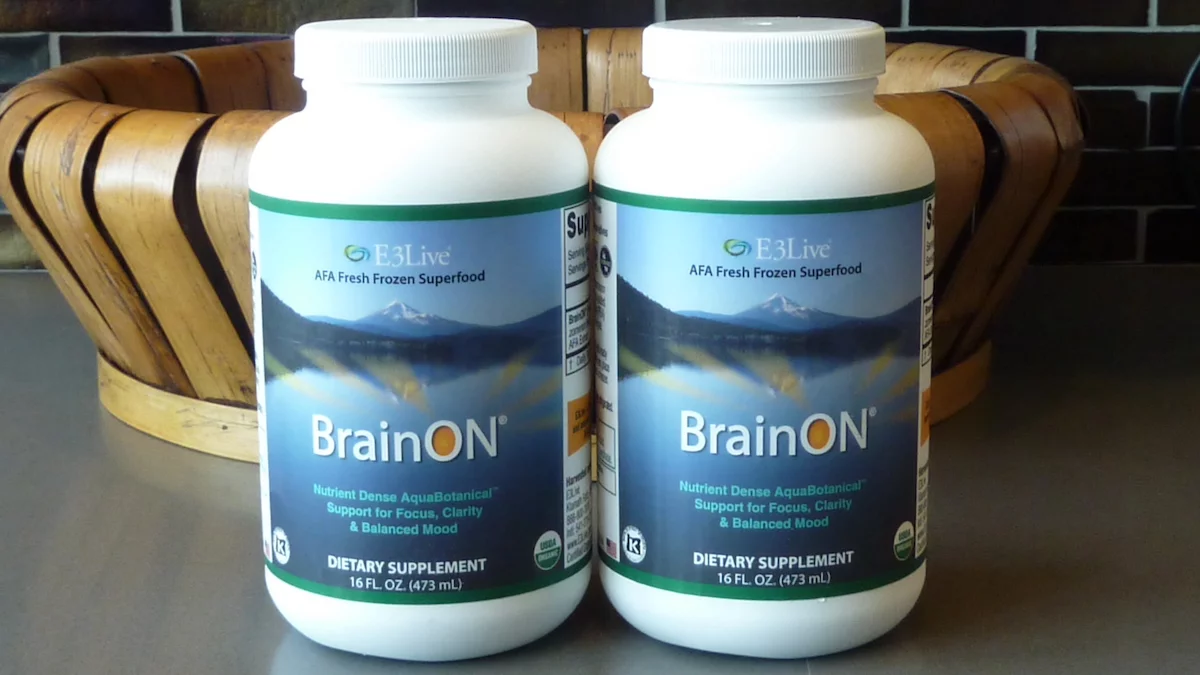
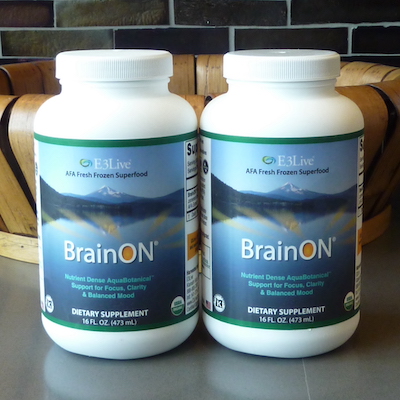
E3Live + BrainON is certified organic, fresh-frozen AFA (Aphanizomenon flos-aquae) with a concentrated, aqueous, organic extract of Phenylethylamine and Phycocyanin.

Learn more.

Living Maxwell

Better Choices

 #1 Health Question You’re NOT Being Asked – What is Your Glyphosate Mitigation Strategy?

After being in the wellness world for more than 14 years and having eaten close to 100% organic since 2001, it has become painfully clear that almost everyone is ignoring one critical issue when it comes to their health – glyphosate.

Not paying attention to it could have very serious ramifications to your physical and emotional well-being, starting with your gut health.

And eating an all-organic diet is just not enough.

WHAT IS GLYPHOSATE AND WHY IS IT SO PROBLEMATIC?

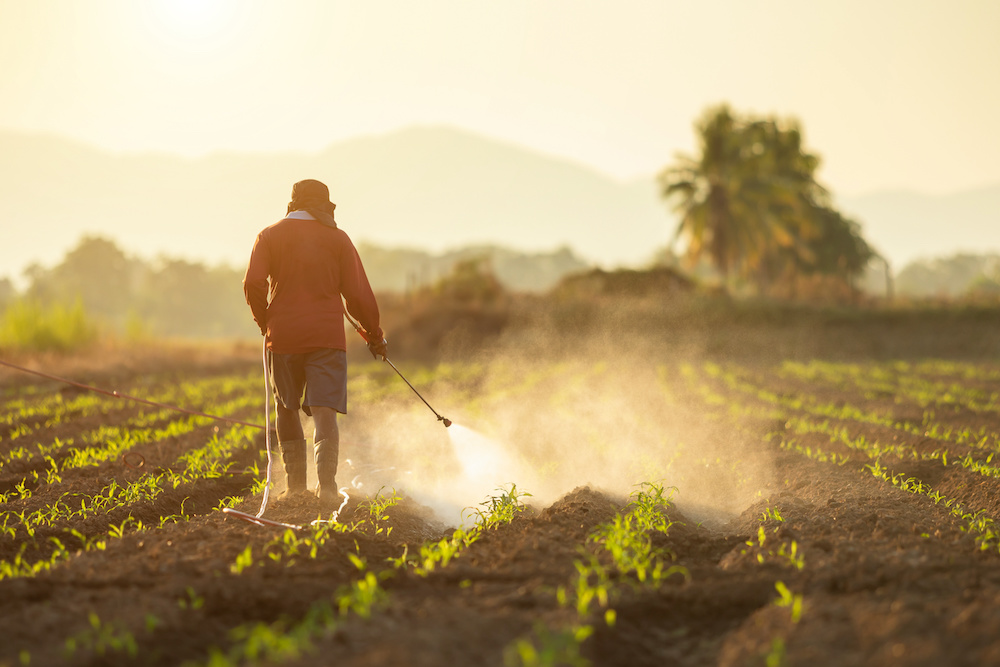
Glyphosate is the primary ingredient in Monsanto’s toxic chemical Roundup , and it is the most widely sprayed herbicide in the world.

Approximately, 281 million pounds of it are used each year on U.S. farms, and this number does not include the amount sprayed on public parks, schools, homes and gardens.

Go deeper Arrow

Living Maxwell

Better Choices

Organic Food is a Must for Pregnant Women

According to research recently published in the Environment Health Perspectives, pregnant women who are exposed to organophosphate pesticides have a very, very high probability of having kids who suffer from ADHD.

The study tracked Mexican-American women in Salinas Valley, CA who were exposed to high levels of pesticides and then diagnosed their kids when they were between 3 and 5 years old. The results were not good and also not in the least bit surprising.

Go deeper Arrow

Living Maxwell

Better Choices

Another Reason to Eat Organic — No Potassium Bromate in Your Bread

If you are a bread lover, which so many of us are, there is just another reason why you should be eating organic: potassium bromate.

Potassium bromate is an additive used in flour which strengthens the dough and allows it to rise higher. Furthermore, it gives the finished bread an appealing white color.

But, the problem is that this additive is also linked to cancer.

Go deeper Arrow

Organic Insider

Must-Read

NYT: Pesticides are Making the Water in California Undrinkable, Citizens Must Buy Bottled Water

All we hear from the chemical industry is that synthetic pesticides are safe to consume, and they will go to any length to make sure that Americans are exposed to as many chemicals as possible.

Here are a few examples.

* A pro-chemical group called The Alliance for Food and Farming attacked the Environmental Working Group‘s Dirty Dozen list, the list of the most pesticide-laden fruits and vegetables, and demanded that the EWG stop publishing it.

Go deeper Arrow

Organic Insider

Must-Read

Study Links Pesticides in Water to Food Allergies

Just the other week, I wrote about a California farming community that MUST buy bottled water because the tap water is so polluted from pesticides and other contaminants.

Well, the news about the horrid quality of our drinking water continues.

Trying to figure out why food allergies have exploded over the past 20 years, a team of researchers published a study in the Annals of Allergy, Asthma and Immunology which said that there is a relationship between the use of a group of pesticides called dichlorophenols and food allergies.

TIME Magazine explained that the study’s participants who had high levels of dichlorophenols in their bodies were 80% more likely to have food sensitivity than those with lower levels, and the authors believe the exposure to the chemicals may be contributing to a hyper-sensitive immune system that recognizes even common food proteins as foreign.

Go deeper Arrow
livingmaxwell: a guide to organic food & drink