


Explore Coverage

Living Maxwell

Better Choices

New Study on Milk: More Evidence That Organic Offers Superior Nutrition

When most people think of the reason to drink organic milk, the first thing that pops into their mind is the desire to avoid hormonal milk – milk that has been produced from cows who have been injected with synthetic growth hormones.

Yet, a recently released study gives us an additional reason as to why we should drink organic milk.

In research published in PLOS One, the scientists of the study reported that organic milk contained 62% more omega-3 fatty acids and 25% fewer omega-6s.

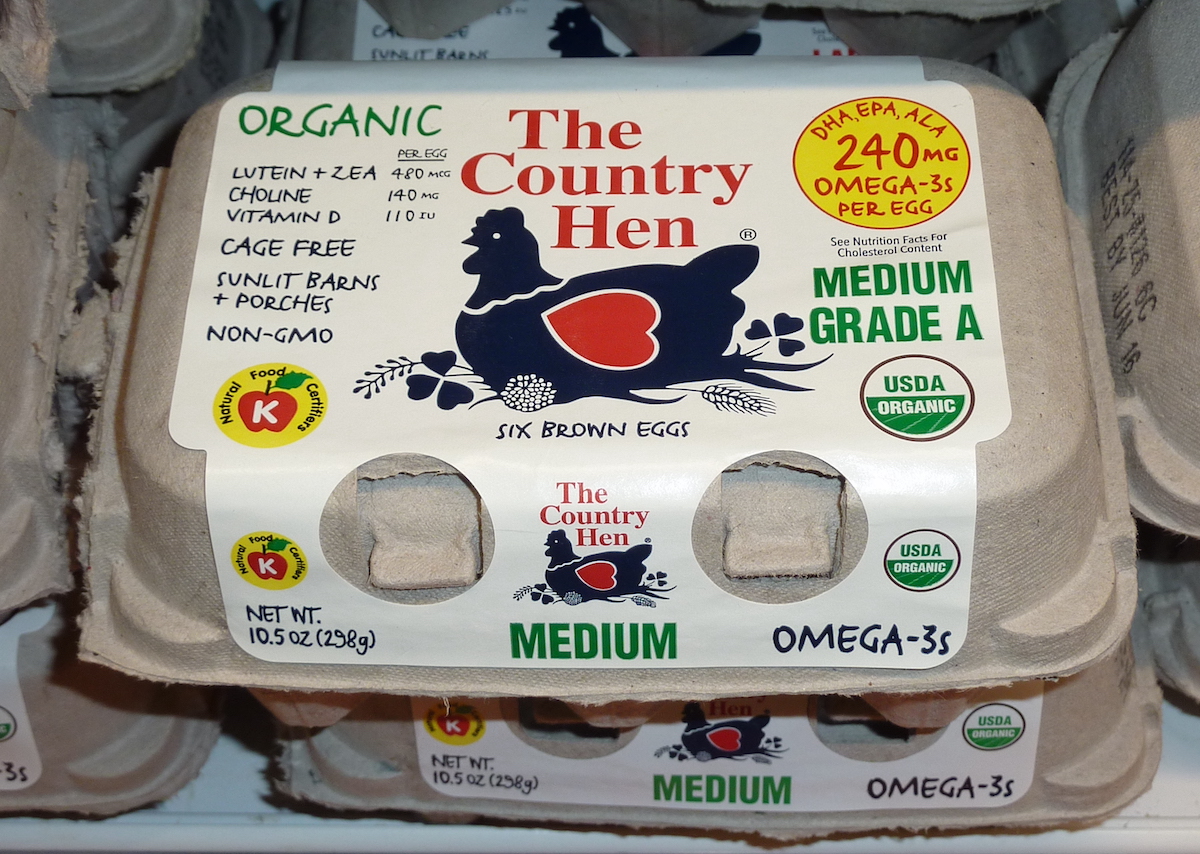
Omega-3s are essential nutrients for health and provide protection against heart disease, and The National Institute of Health states that we should be eating more omega-3s and less omega-6s. As it stands now, most American diets provide at least 10 times more omega-6 than omega-3 fatty acids.

Why the big difference in omega-3s of organic milk vs. conventional milk?

It has to do with how the cows are fed. Conventionally-raised cows are mostly fed a corn diet (almost guaranteed to be genetically-modified corn), which is high in omega-6s.

For organically-raised cows, there are minimum grazing requirements. They must be out on pasture for the entire growing season, but not less than 120 days, and they must receive at least 30% of their feed from pasturing. These grassy plants contain very high levels of omega-3s.

MY TAKE

On the Fox News Channel recently, I talked about two other studies that showed organic to be nutritionally superior to conventional – the one conducted at Washington State University on organic strawberries and the other from the University of Barcelona on organic tomatoes.

While there are some people that may question the value of cow milk, organic or otherwise, the fact that we now have an additional study demonstrating organic to be better than conventional is incredibly important.

Far too often, the reason to eat organic is to avoid the bad things – toxic pesticides, fungicides, insecticides, synthetic growth hormones.

With studies such as this one, hopefully, the conversation will slowly begin to change and people will start explaining that the reason to eat organic is that it is the smarter nutritional choice.


A message from E3Live

"My Everyday, Must-Have Green Organic Aquabotanical"

The best testimonial that I can give is that I drink this every single day, as it impacts my mood in an incredibly positive way.

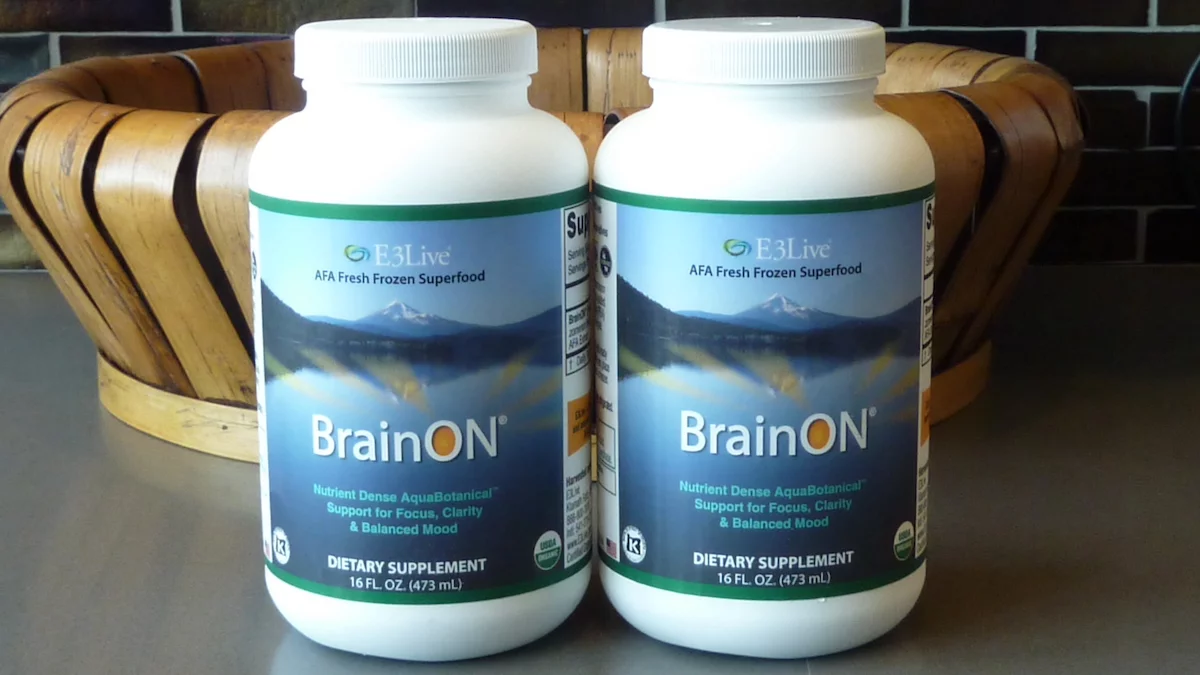
E3Live + BrainON is certified organic, fresh-frozen AFA (Aphanizomenon flos-aquae) with a concentrated, aqueous, organic extract of Phenylethylamine and Phycocyanin.

Learn more.

Go deeper

Living Maxwell

Better Choices

Potatoes are on the Non-GMO Project’s High Risk List – What Does That Mean and What Do Shoppers Need to Know?

In a recent issue of Organic Insider, I discuss the decision by the Non-GMO Project to place potatoes on its High-Risk list.

Joining soy, corn, canola and a few others, this is by no means a prominent distinction. Rather, it is something that every crop should seek to avoid because it means that the likelihood of consuming a genetically-modified version of this crop in the U.S. is extremely high.

Go deeper Arrow

Living Maxwell

Better Choices

Another Reason to Eat Organic – Decrease Pesticide Exposure by 90%

Here are a few things that we know.

1) In its pioneering testing several years ago, the Environmental Working Group (EWG) identified up to 493 chemicals in Americans of all ages, including 287 industrial chemical pollutants found in the cord blood of 10 babies born in 2004.

So, from the time we are in the womb of our mother, our body is flooded with synthetic toxins.

2) Even though this EWG data was collected a decade ago, not much has changed since then, in terms of our exposure to chemicals.

Go deeper Arrow

Living Maxwell

Better Choices

Food & Water Watch Unveils its New Smart Seafood Guide and “Dirty Dozen of Fish”

If you are looking for organic fish in the U.S., you will not find it. Why?

Because there is no such a thing as USDA certified organic fish, as national organic standards for fish have not yet been approved.

That being said, some fish are certainly better to eat than others, and Food & Water Watch recently released its Smart Seafood Guide.

The Smart Seafood Guide gives an excellent analysis of over 100 different fish, provides regional guides, and offers helpful suggestions so that consumers can make the healthiest and most sustainable choices possible.

Go deeper Arrow
livingmaxwell: a guide to organic food & drink