





Organic Insider
Better Choices
Could Regenerative Organic Coffee Farming be the Key to Reversing Deforestation in Peru?

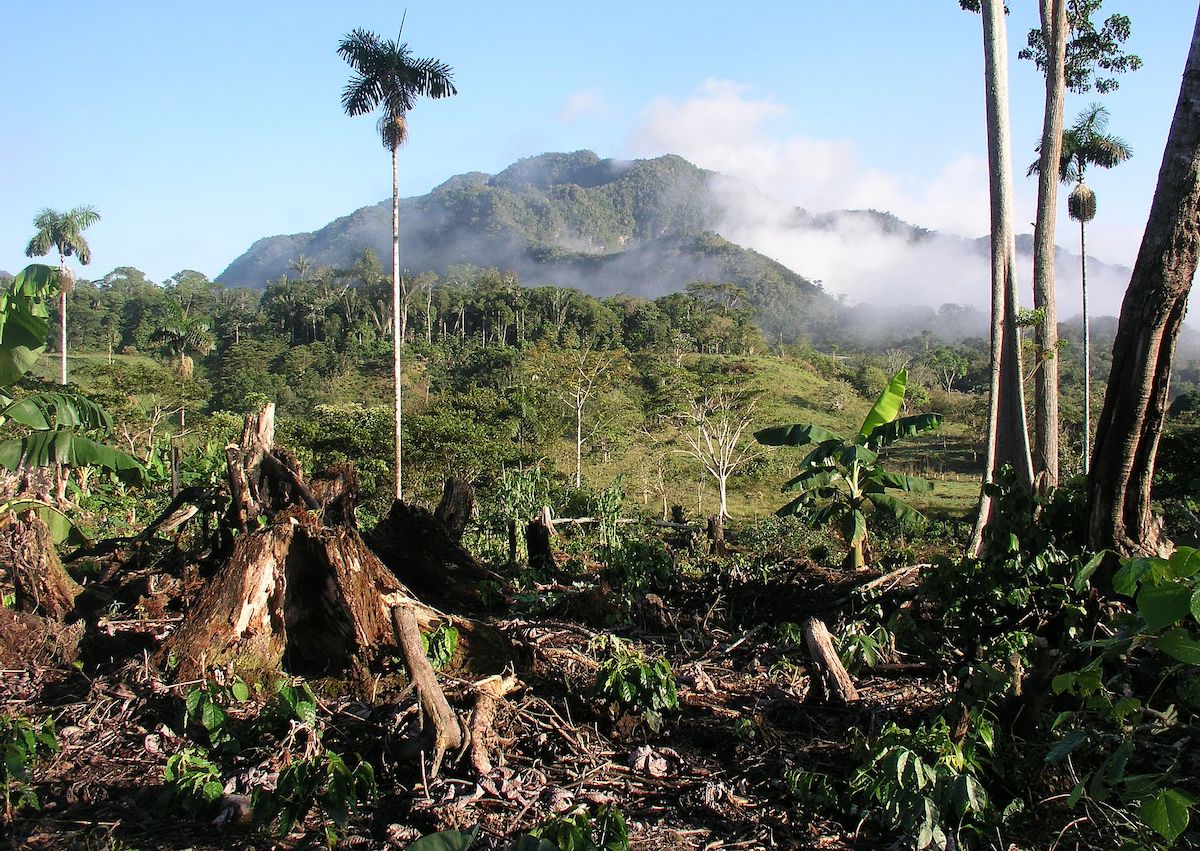
Nestled in the heart of the mountains in the Andean Paramos region of Peru, there are 182 families who entirely depend on coffee cultivation for their livelihood.
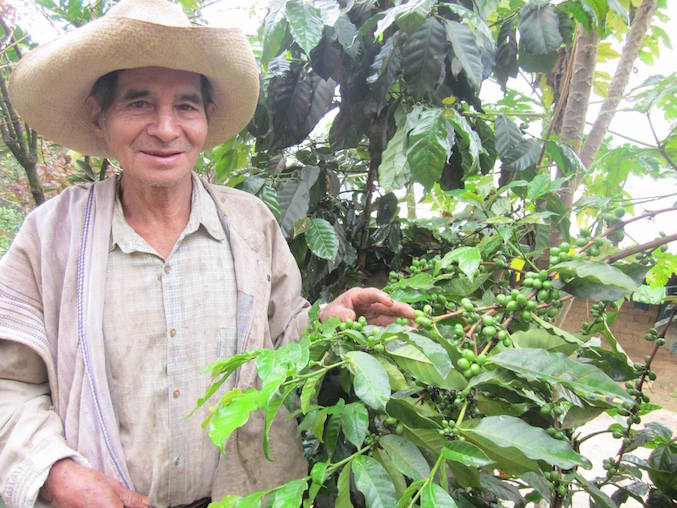
Unfortunately, coffee rust – a fungus also known as “La Roya” — has devastated the coffee trees of 64 of these families, leading to catastrophic economic losses for hundreds of people.
With coffee production their only way to make a living and provide for their families, they have had no choice but to search for nearby land which has not been infected by coffee rust. While this is giving these families a financial lifeline, it has also resulted in the destruction of forests in the region, a territory that cannot that cannot afford this type of displacement.
The Andean Paramos region of Peru is one of the most fragile and precious ecosystems in the face of climate change. Not only are its freshwater springs threatened due to deforestation with the expansion of agriculture, but this land is viewed as a valuable source of wood for fuel. Needless to say, these vital resources that must be preserved and protected.
Despite the challenges that exist — most notably, balancing people’s need to make a living with the importance of maintaining the ecosystem — a viable solution may exist for small-scale farmers to both tackle poverty and food insecurity while protecting the rainforests: growing coffee within diverse, community-led agroforestry systems.
Agroforestry is a dynamic, ecologically-based approach to natural resource management that promotes the integration of diverse food, fodder, timber, and shade trees in agricultural landscapes. Once installed, well-maintained systems require little inputs like fertilizers and are naturally resistant to pests and diseases, thereby cutting costs and labor for farmers.
Equally as important, dynamic agroforestry systems can provide employment and multiple income streams while fostering biodiversity and sequestering carbon.
Three of the top 100 climate solutions identified by Project Drawdown are agroforestry-based, and if implemented globally, they could sequester 57.67 gigatons of carbon back into the soil.
Grow Ahead, a regenerative agriculture crowdfunding initiative of fair trade advocacy group Fair World Project, has teamed up with Peruvian-based Cooperativa Norandino to support the families affected by the “La Roya” blight through a farmer-driven agroforestry program. The program is geared towards revitalizing their coffee production, as well as supporting the conservation and reforestation of the fragile local ecosystem.
“Grow Ahead’s mission is to support climate resilience in communities on the frontlines of climate change,” says Grow Ahead’s Executive Director Ryan Zinn. “Regenerative organic agricultural systems like agroforestry, coupled with collaboration, are critical to our model of promoting restoration and resilience in these communities. In addition to teaming up with strong local partners, we’re working with fair trade coffee shops, an ethical grocer, and individual donors in the U.S. to make this program a reality.”
The agroforestry restoration project with Cooperativa Norandino and Grow Ahead aims to develop a replicable reforestation model that promotes ecosystem regeneration, conservation, and improvement of food security and income for family farms.
Approximately 135,000 coffee seedlings of a variety naturally resistant to “La Roya” will be cultivated and planted on 30 hectares, and another 69,000 forest seedlings for native species reforestation will be cultivated in the first year for the repopulation of an additional 55 hectares.
Along with the planting of the seedlings, three community associations will be created to monitor ecosystem health and to support with education and capacity-building around conservation and fair carbon certification.
“Not only will implementing more sustainable methods of production via agroforestry result in the conservation and restoration of the local watershed, it will also mitigate the effects of climate change through soil carbon drawdown,” says Grow Ahead’s Program Coordinator Alexandra Groome.
With ecological and economic challenges becoming more pervasive in third world communities where options are very few, Grow Ahead is playing an important role in not only providing financial hope to these farmers but providing solutions that mitigate climate change and capture carbon from the environment – something that impacts us all.
WATCH MY LIVESTREAM WITH GROW AHEAD – THIS WEDNESDAY
This Wednesday at Climate Day at Natural Products Expo West, I will be doing a Facebook Live with Grow Ahead’s Ryan Zinn and Alexandra Groome.
We’ll be discussing Grow Ahead’s reforestation project in Peru and how you can contribute to seeding regenerative organic agriculture around the world.
When: Wednesday, March 7th at 3:45pm PST
How to Watch: Follow the Facebook page of Living Maxwell by clicking HERE and wait for the notification at 3:45pm PST on Wednesday
ABOUT GROW AHEAD
Grow Ahead is an online lending and funding program that connects individuals and organizations directly to small-scale family farmer organizations. By lending and contributing through Grow Ahead, consumers and organizations can support the agroecological solutions and farmer-led trainings that have a proven track record of success in farming communities.
ABOUT COOPERATIVA NORANDINO
Cooperativa Norandino is an association of small-scale coffee producers in northern Peru. The 90 grassroots organizations with more than 6,600 producers are located on the western slopes of the Andes Mountains in Piura.


(This article was authored by Alexandra Groome of Grow Ahead.)