


Explore Coverage

Living Maxwell

Better Choices

How Do Your Favorite ‘Organic’ and ‘Made with Organic’ Snack Bars Rate? Take a Look at Cornucopia’s Scorecard

When you are in the checkout line at the supermarket and looking for a nutritious snack to satiate your hunger, take caution when selecting an energy bar.

The energy or snack bar market is big business — a $9 billion industry — and many people are easily fooled by the slick marketing that food companies employ to get you to purchase their products.

The absolute first thing to look for is a certified organic snack bar — one that has the green and white USDA organic seal on it.

And it’s very important not to fall into the trap of thinking that certified organic bars and ones that say “made with organic ingredients” are the same thing. They are categorically not the same.

Because of a loophole in organic regulations, many “made with organic ingredients” bars contain protein isolates which have been processed with the neurotoxic solvent hexane — a byproduct of the gasoline refinement industry.

In order to help you figure out which snack bars are the best, among both organic and conventional, The Cornucopia Institute has just released a brand new report called Raising the Bar: Choosing Healthy Snack Bars versus Gimmicky Junk Food.

Raising the Bar exposes misleading marketing practices by food industry giants and calls out leading natural/organic brands for using cheap, conventional ingredients instead of creating nutritive products that qualify for the USDA organic label.

As it turns out, the highest rated brands in this report are Simple Squares, Bearded Brothers, and Larabar Organic with Superfoods. These three are all USDA certified organic and use only organic fruits, nuts, and seeds without any added sugars, gums, flours, protein isolates, or preservatives.

To read Raising the Bar – Executive Summary, click HERE.

To read Raising the Bar – Full Report, click HERE.

To see how your favorite snack bars rate, check out the Snack Bars Scorecard, which is mobile-friendly.

This scorecard is just another extremely valuable piece of research from Cornucopia, one of the organic industry’s most important watchdog organizations. These people are doing the very hard work to keep us both safe and informed.


A message from E3Live

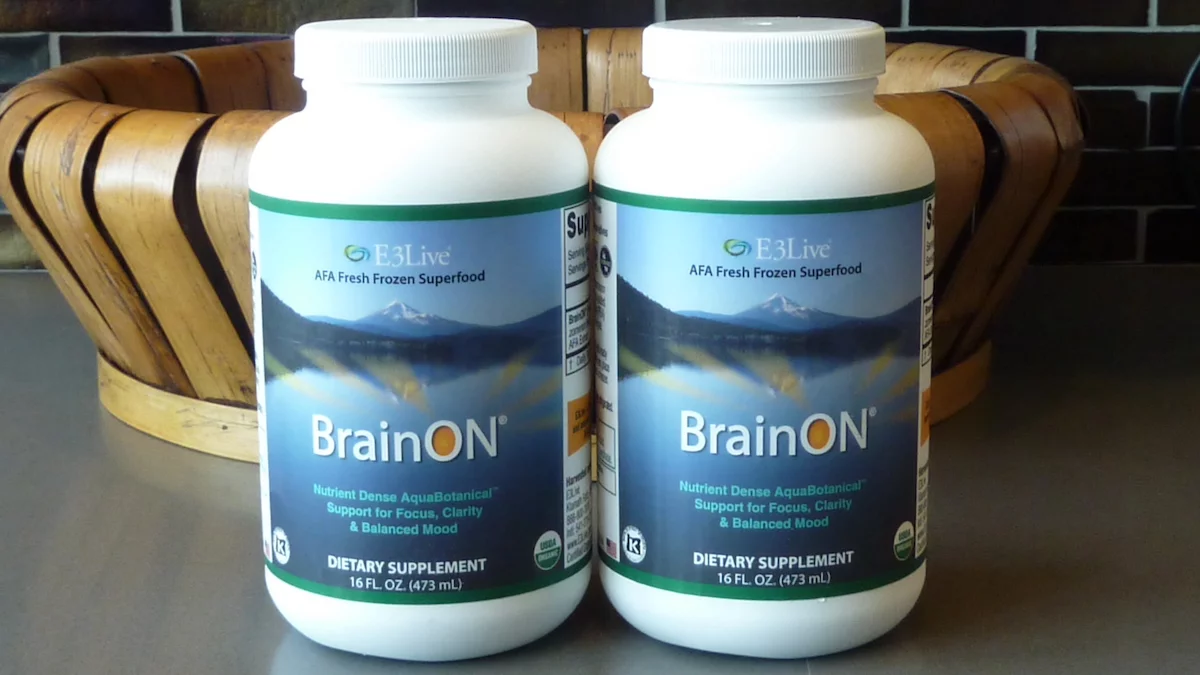
"My Everyday, Must-Have Green Organic Aquabotanical"

The best testimonial that I can give is that I drink this every single day, as it impacts my mood in an incredibly positive way.

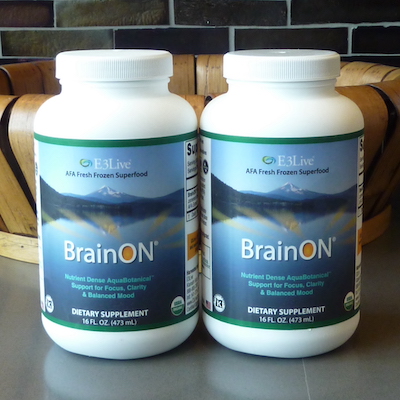
E3Live + BrainON is certified organic, fresh-frozen AFA (Aphanizomenon flos-aquae) with a concentrated, aqueous, organic extract of Phenylethylamine and Phycocyanin.

Learn more.

Go deeper

Living Maxwell

Better Choices

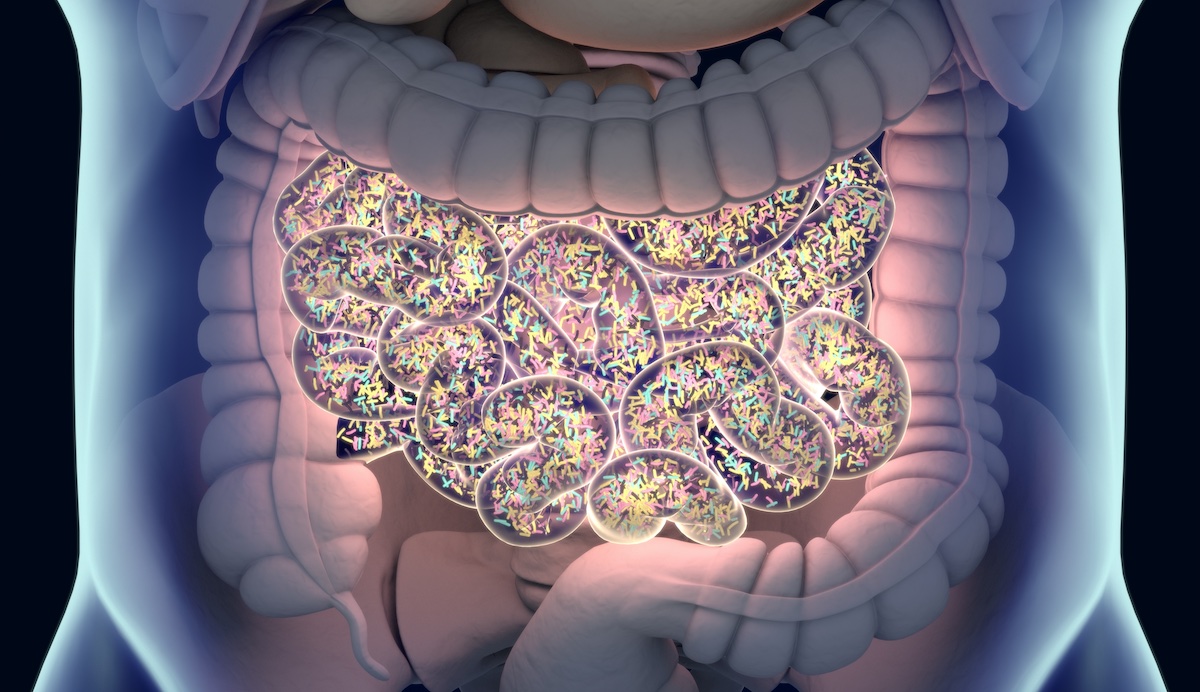
Another Reason to Eat Organic — Protect Your Gut Health

Over the last few years, it has been a widely viewed belief among the medical community that the health of the bacteria in our bodies has a direct relationship to our overall health.

While the exact nature of the bacteria in our bodies still remains a big mystery, research is showing that certain bacteria can prevent and treat many common diseases.

More specifically, in tests with mice, bacteria played an important role in fighting cancer.

Go deeper Arrow

Living Maxwell

Better Choices

Another Reason to Eat Organic — Organic Apples Contain More Diverse, Healthier Bacteria than Conventional

An apple a day will keep the doctor away.

Thanks to a new study, that saying has taken on even more meaning, particularly for organic apples.

In a recently published paper in the journal Frontiers in Microbiology, it was found that organic apples contain a more diverse population of beneficial bacteria than conventional apples.

Researchers analyzed the peel, flesh, seeds, and stem of both organically and conventionally grown apples, looking to find how much and what kinds of bacteria were present. While organic and conventional apples contained the same amount of bacteria, there was a big discrepancy in the types of bacteria found.

Go deeper Arrow

Organic Insider

Better Choices

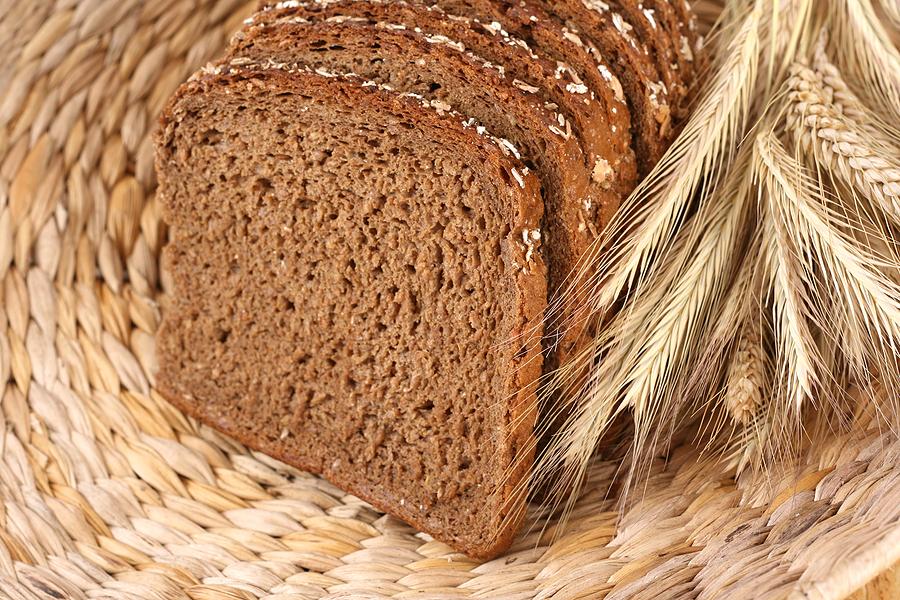
Study: Organic Grains Offer Superior Nutrition than Conventional or “Natural”

True, organic is slightly more expensive. This is primarily because it is not subsidized by the government in the same way that conventional food is.

But what rarely gets mentioned is that organic also offers superior nutrition.

In two research reports recently completed by The Organic Center, which examined the nutritional differences of organically farmed grains compared to “natural” and conventional varieties, the authors concluded that commercially produced organic breads are more nutrient-rich, contain more whole food ingredients and have fewer preservatives and additives than conventional breads.

Go deeper Arrow
livingmaxwell: a guide to organic food & drink