





Organic Insider
Must-Read
Tell the USDA to Reject Genetically-Engineered Eucalyptus Trees

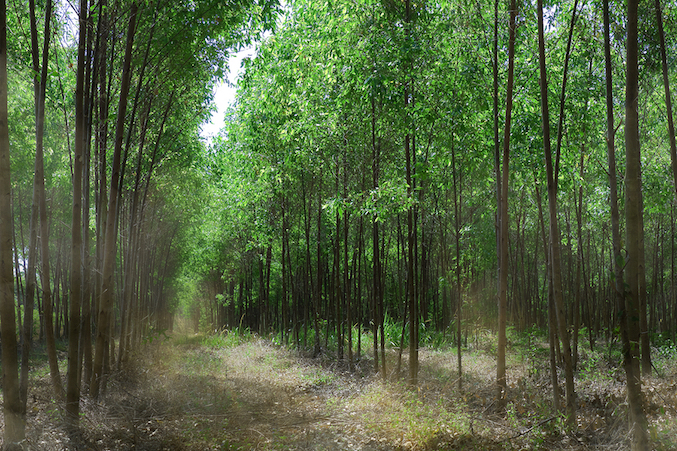
It is bad enough that we have to deal with genetically-engineered foods, but now we are facing the prospect of something potentially even more scary: genetically-engineered trees.
Tree biotech company ArborGen is requesting an unprecedented USDA approval for its genetically-engineered (GE), “freeze tolerant” eucalyptus. If the USDA grants this approval, it will be the first-ever GE-forest tree to be commercially grown in the U.S., allowing ArborGen to plant massive, unregulated GE-tree farms.
Genetically-engineered trees are very different than GM-crops, such as soybeans or corn, because they can live for decades or centuries in the wild, have seeds and pollen that can travel up to hundreds of miles, and have numerous wild relatives in native forests that could be contaminated.
According to the Global Justice Ecology Project, non-GE eucalyptus trees are the most widely planted hardwood plantation trees in the world and are known to reduce local groundwater and can be highly invasive and flammable. (The U.S. Forest Service has released findings that certain GE-trees would use twice the water of native forests.) So, if ArborGen wins approval for these new trees, the company will spread the ecological disaster of eucalyptus plantations to all parts of the U.S.
ArborGen, the leading company in this sector and run by ex-Monsanto executives, justifies GE-trees for two primary reasons.
One, it wants to produce more wood on less land, for things such as paper. However, fast-growing GE-tree plantations will only lead to more deforestation.
Second, GE-eucalyptus trees are seen as a key input for emerging bioenergy markets. So, instead of using coal, wood pellets from GE-eucalyptus trees are being pitched as more sustainable. Yet, the Global Justice Ecology Project says that wood pellets will have a similar impact on the climate as coal, not to mention that these GE-tree plantations will deplete soil nutrients and use increased amounts of synthetic chemicals.
In countries such as Chile, Brazil, Australia and South Africa, non-GE eucalyptus trees have already caused massive problems in local communities because these trees require so much water to grow, leaving the citizens with nothing left to drink. (Read about the Mapuche Indians in Chile and the water struggle they face, all due to the farming of eucalyptus trees.)
With GE-trees in the U.S., we can expect similar water issues.
Given the harm that non-GE eucalyptus trees have had around the world and how invasive they have already become in California, can you imagine how bad the GE-tree epidemic will become?
These risky trees will be planted on millions of acres of U.S. land where they have never lived before and could infect the environment like nothing we have ever seen.
WHAT YOU CAN DO
There are a few immediate things that you can do to help stop the ag-biotech industry from destroying our ecosystem and depleting our water supply.
1) Sign the petition to stop GE-trees on the Center for Food Safety’s website.
2) Sign the petition to stop GE-trees on the Global Justice Ecology Project’s website.
3) Watch the documentary “Synthetic Forests”, a film which shows how GE-trees will devastate ecosystems, forest-dependent communities and the climate.
4) Share this post with your network, so they are educated about this potentially horrible development.
Thank you so much for your concern!