
Explore Coverage

Living Maxwell

Better Choices

Local vs. Organic: I Choose Organic – Here’s Why

For several years, the local food movement has been gaining some serious momentum. Supermarkets are pushing locally-grown food and restaurants insert “local” into their menus as often as possible.

I have a good friend of mine who proudly and constantly tells me that he is eating local food all of the time. When I hear this, I just kind of shake my head. Why do I have this reaction?

While this issue is very complicated and the circumstances of every single piece food is vastly different, there is a lot more to this than many people realize and “local” isn’t necessarily better.

Yes, local food means that it has traveled a lot less (within 150 miles seems to be the accepted range) than something that has been shipped across the country.

Local also “supposedly” means that the food has been produced in a sustainable manner rather than from some industrial food operation.

But how do we know this? We don’t. There are no standards for local and there is no certification for local. There are, however, strict standards for organic and USDA organic certification.

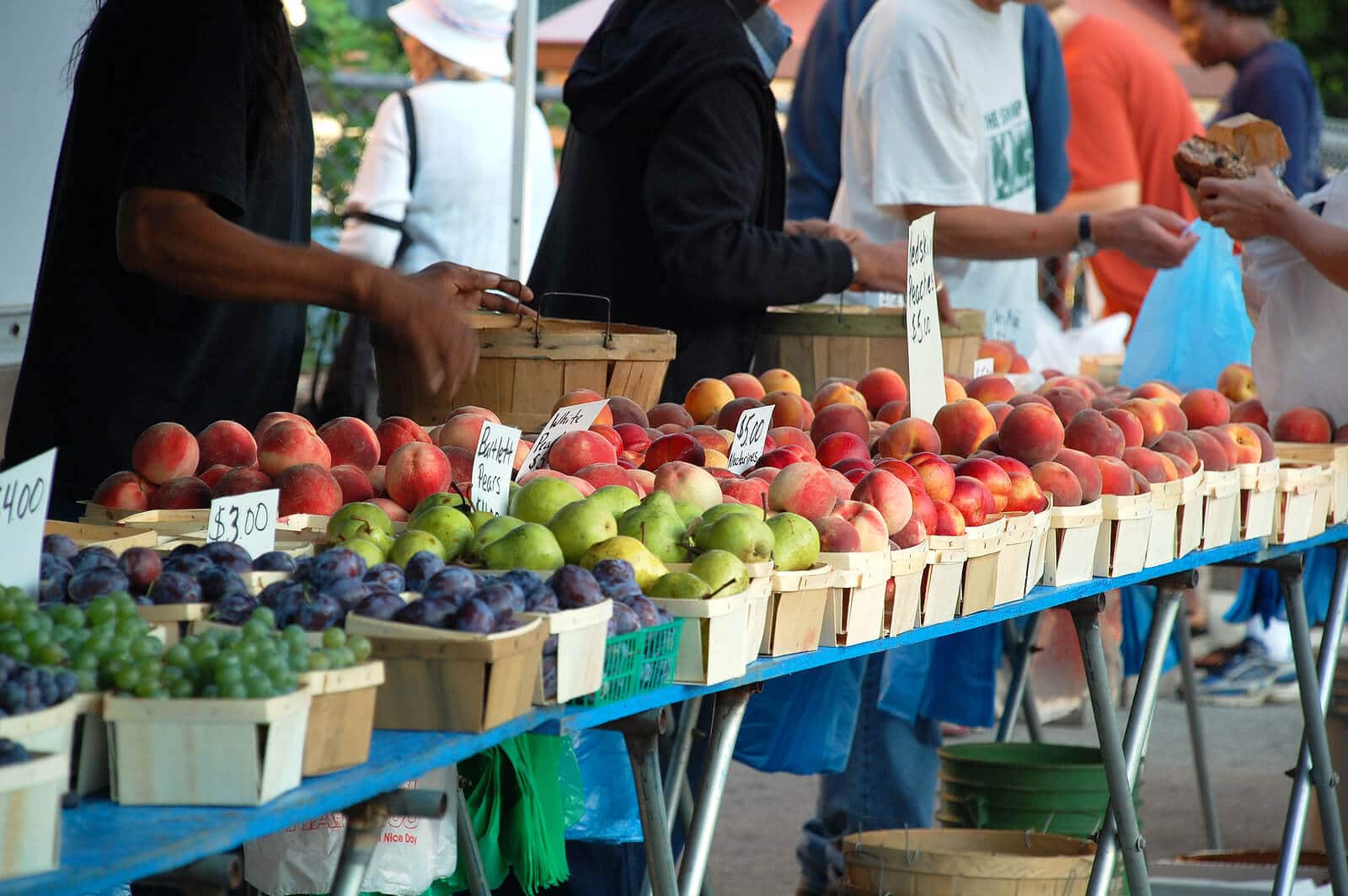
Unless I am at a farmer’s market where I can look the farmer in the eye and ask him about his production methods, I just don’t know how local food has been produced.

How do I know that the farmer 20 miles away isn’t spraying his kale with toxic pesticides and polluting our water?  I don’t.  And this matters to me as I am gravely concerned about the abysmal quality of our water supply.

Furthermore, a New York Times op-ed piece by James McWilliams pointed out that lamb shipped from New Zealand to England caused much less impact to global warming than British-produced lamb.

Does this mean we should abandon “local”? Not at all.

This was simply one example and other examples may prove “local” to be much better for the environment.

MY TAKE

If I can buy local and organic, that is what I do and it is the best of both worlds.

I want to support local food as much as I can and will buy food at farmer’s markets where I have an incredibly high degree of confidence that the food is grown “cleanly”, even if it is not certified as organic.

However…..

1) Local food doesn’t necessarily mean better for the environment. In fact, it could be worse.

2) Local food doesn’t mean organic.

3) Supporting organic production and organic farmers is very important to me.

It goes without saying that local vs. organic is not a cut and dry argument, but I prefer organic over local because there are standards and I know what organic means.


A message from E3Live

"My Everyday, Must-Have Green Organic Aquabotanical"

The best testimonial that I can give is that I drink this every single day, as it impacts my mood in an incredibly positive way.

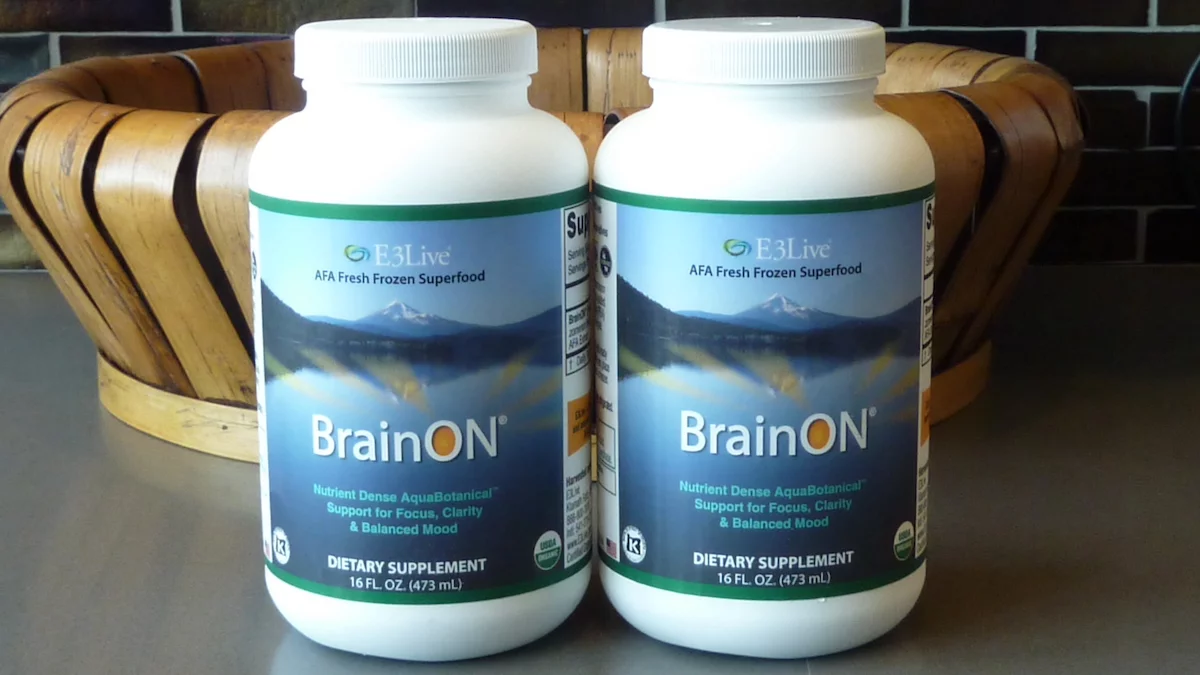
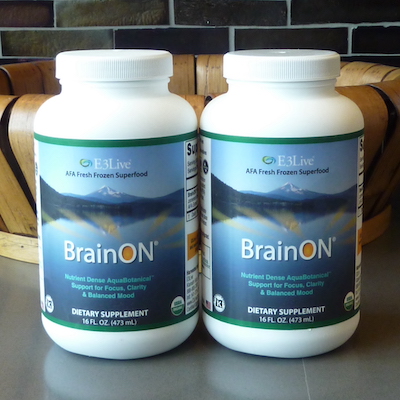
E3Live + BrainON is certified organic, fresh-frozen AFA (Aphanizomenon flos-aquae) with a concentrated, aqueous, organic extract of Phenylethylamine and Phycocyanin.

Learn more.

Go deeper

Living Maxwell

Better Choices

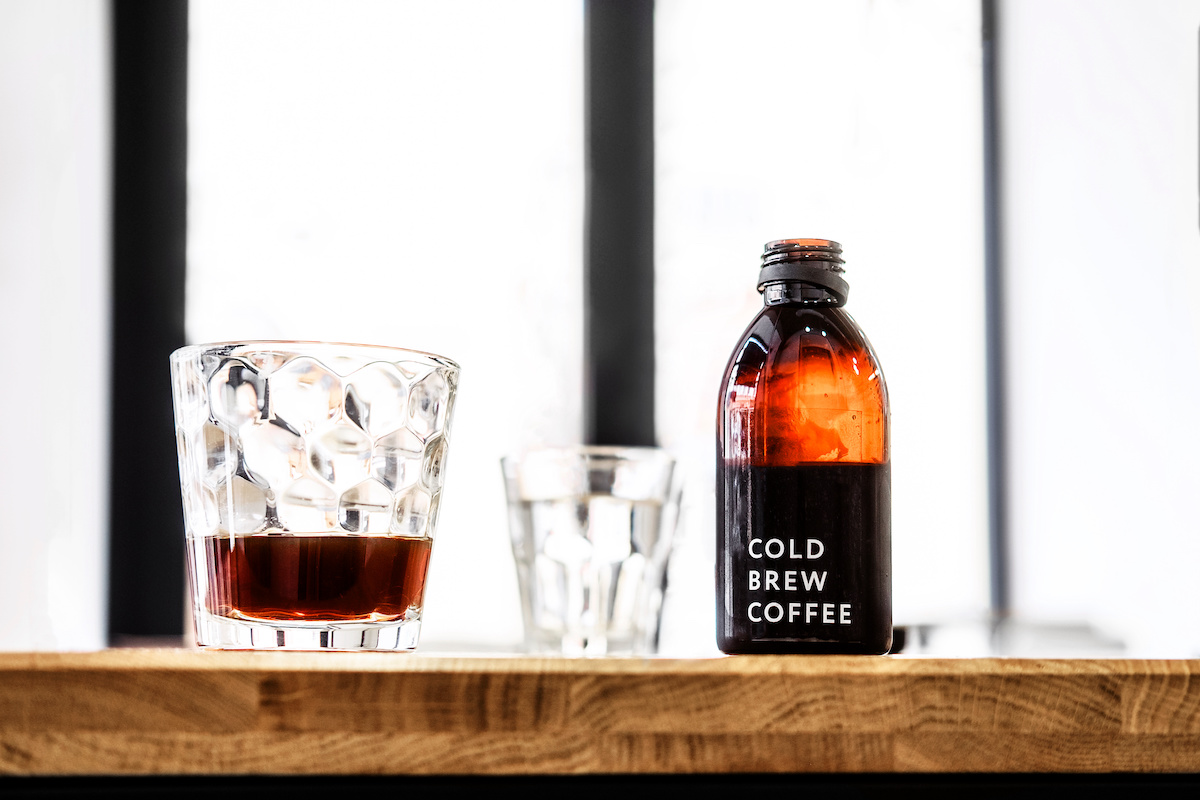
What is Cold-Brew Coffee and Why You Should Know About it

Despite the fact that it has become a burgeoning trend in the beverage world, cold-brew coffee is still a relatively unknown quantity to the average person on the street.

In a very unscientific poll that I conducted, the majority of people that I talked to had heard of cold-brew coffee but couldn’t give me a good answer as to what it is and why people should be drinking it. And to be perfectly honest, I was pretty in the dark about cold-brew as well.

While I know that choosing organic coffee is a must, because coffee is one of the most chemically-treated crops in the world, I, too, had many questions about this increasingly popular drink.

Go deeper Arrow

Living Maxwell

Better Choices

Are Fermented Foods the Key to Happiness?

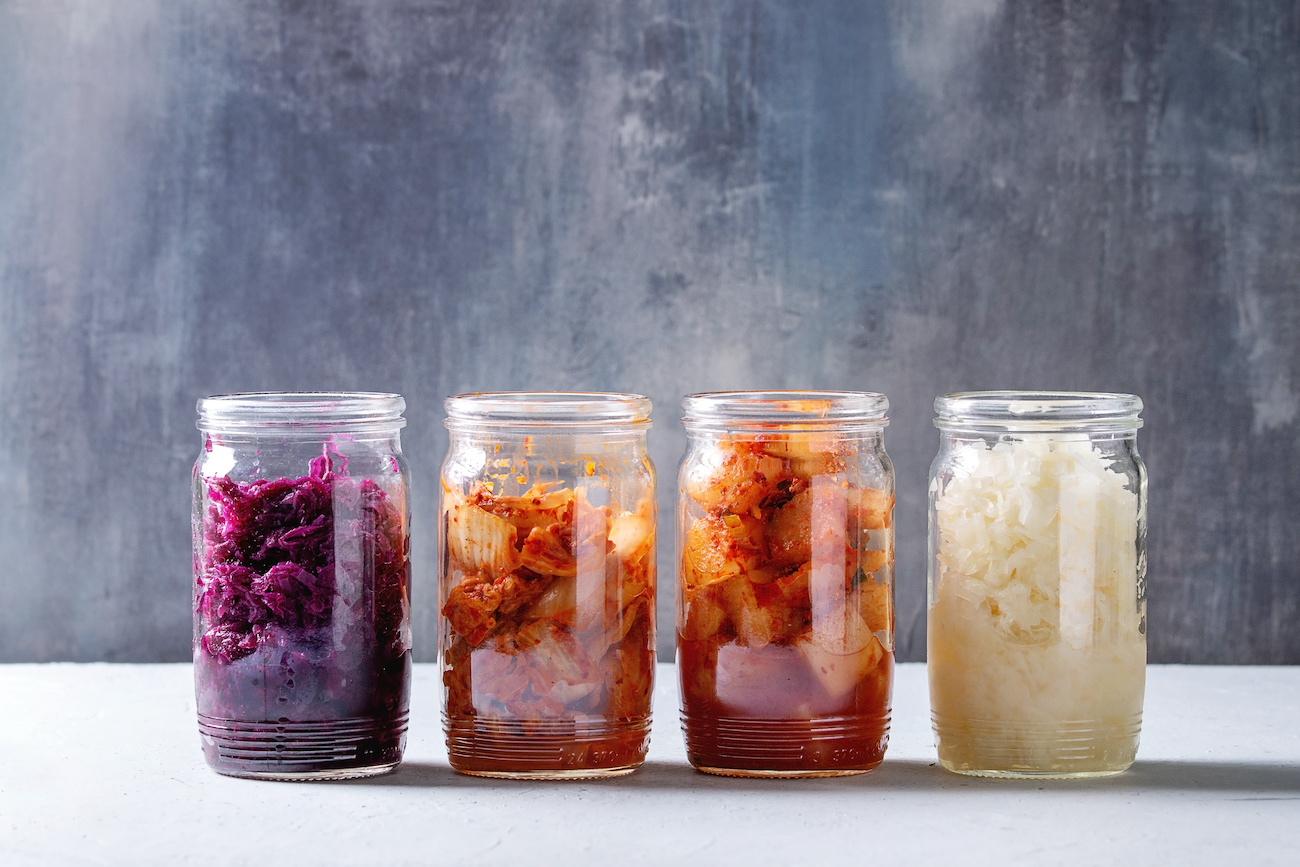
Whether it is with a salad or any other dish that I am making at home, organic fermented foods – usually sauerkraut (above) or kimchee – can almost always be found on my plate. Why is this?

I have come to understand that if we want to have a strong immune system, we must take care of our gut and provide it with beneficial bacteria.

And that is exactly what fermented foods give us – beneficial bacteria.

Dr. Natascha Campbell-McBride, a Russian neurologist and founder of the GAPS Diet, says that:

“about 85% of our immune system is located in the gut wall. This fact has been established by basic physiology research in the 1930s and the 1940s. Your gut, your digestive wall, is the biggest and the most important immune organ in your body. There is a very tight conversation and a relationship going on between the gut flora that lives inside your digestive system and your immune system.

Go deeper Arrow

Living Maxwell

Better Choices

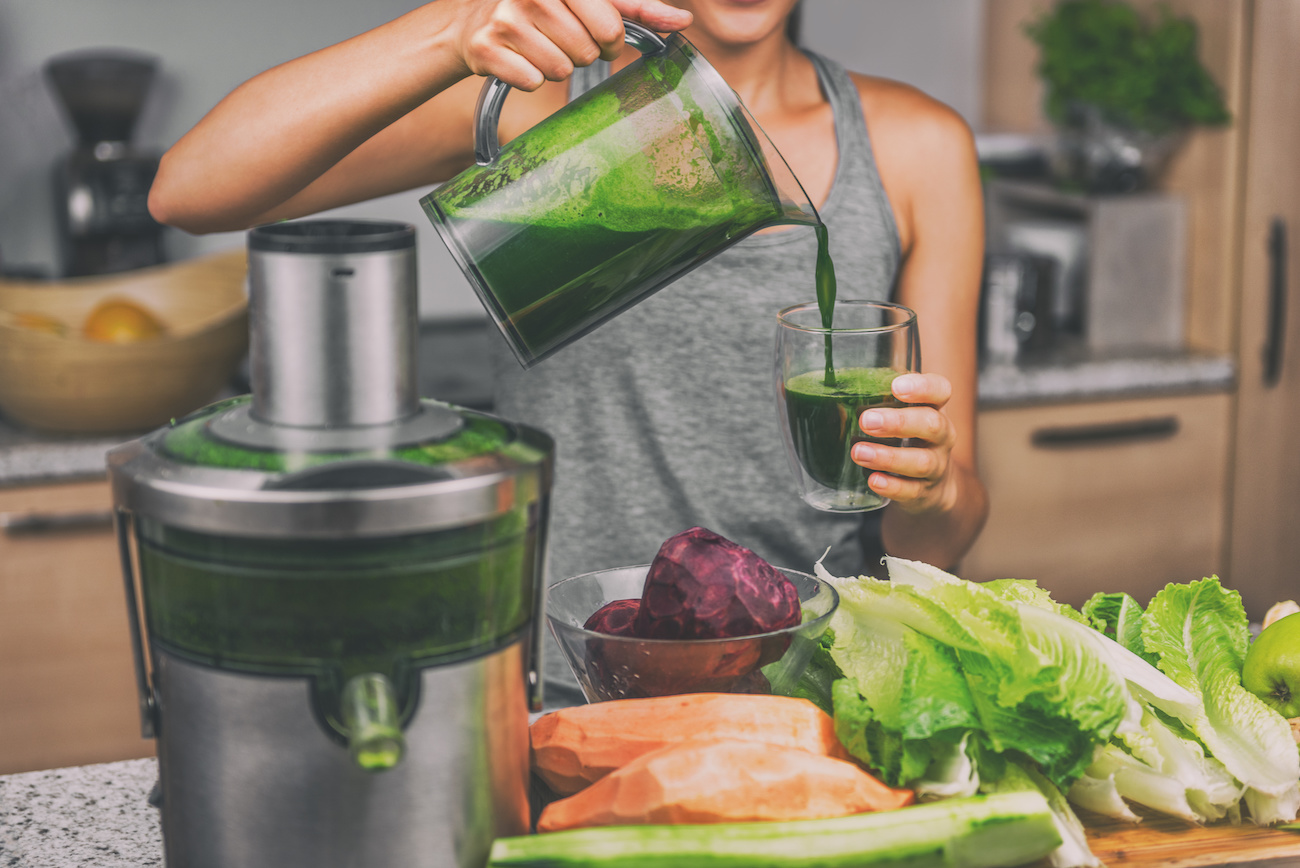
My Best Juicing Advice – Keep It Simple

Ever since I launched the Pressed Organic Juice Directory a few months ago, people have been constantly asking me what I drink for juice.

In terms of pressed organic juice, I prefer green juice in a glass bottle. However, sometimes glass is not available. And sometimes straight green juice is not available either. Usually, this means that a juice bar has added apple for sweetness.

Despite the fact that I have plenty of places to buy pressed organic juice in my neighborhood, I have not abandoned juicing at home.  And I never will.

Go deeper Arrow
livingmaxwell: a guide to organic food & drink