

Explore Coverage

Living Maxwell

Must-Read

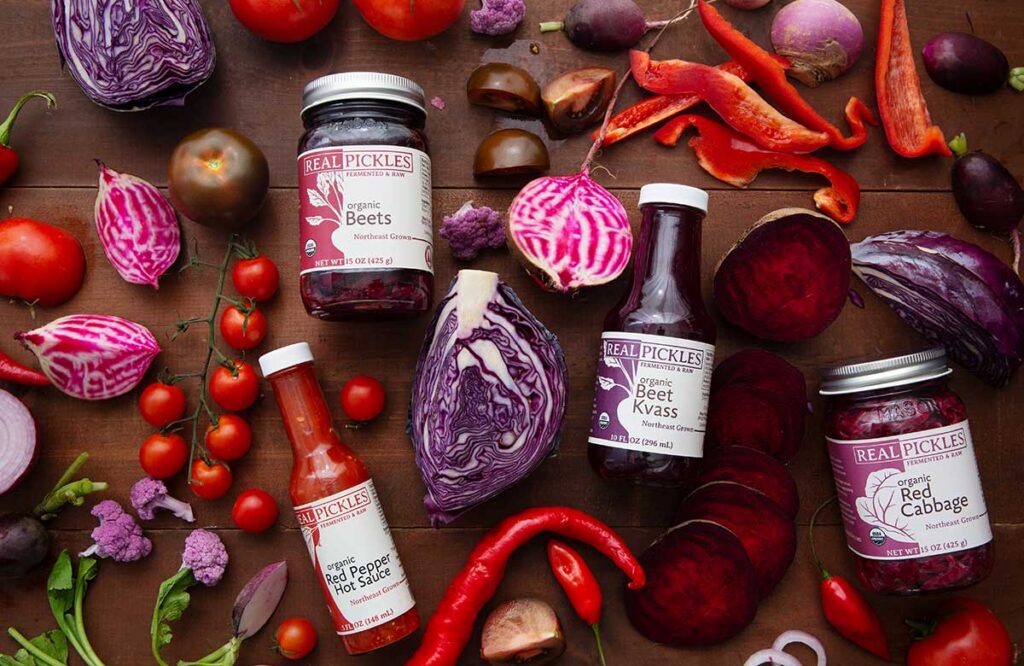
Beet Kvass – What is it and Why am I Drinking it?

Organic beet kvass isn’t exactly a household name, similar to a coconut water or even kombucha.

And I don’t believe that it will ever come close to having the same name recognition as these other two drinks.

Yet, its health benefits and utility may surpass them both.

A lacto-fermented beverage of Russian origin, beet kvass provides the body with beneficial bacteria and aids in digestion.

It is also touted as a blood purifier and an excellent way to cleanse the liver.

Unlike kombucha, which uses sugar in the fermentation process, the beet kvass from Real Pickles uses no sugar at all. It is made with water and all organic ingredients, including beets, onions, cabbage, sea salt and rosemary. And because it is a raw drink, all of the vitamins and minerals remain intact.

While I tend to drink it straight, the other great thing about beet kvass is that it can be used as a base for soups, salad dressings or marinades.

Beet kvass is slightly sweet, slight salty and slightly addictive.

And it is just one of those drinks, very much like green juice, that you know as soon as it is in your mouth how incredibly healthy it is for you.

If you’re looking to incorporate a new, nutritionally-rich beverage into your lifestyle, give organic beet kvass a try. I love it.

A message from E3Live

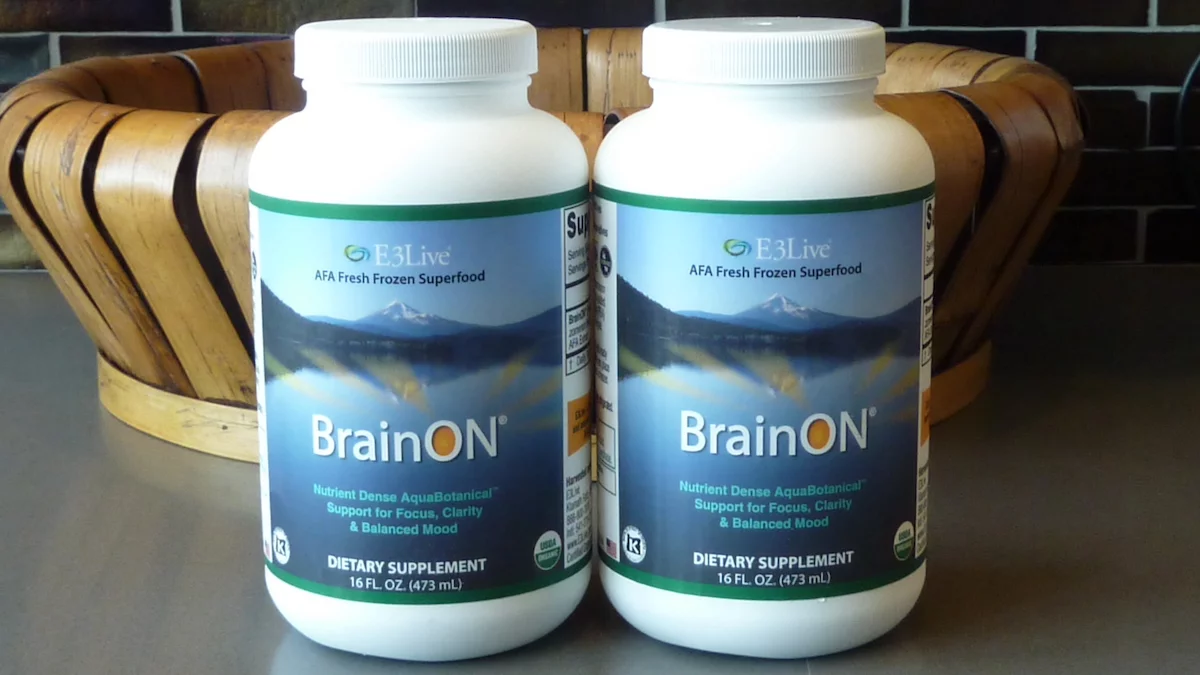
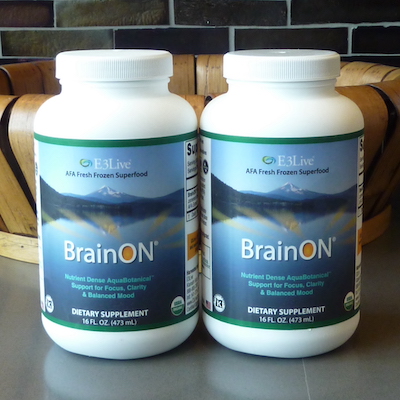
"My Everyday, Must-Have Green Organic Aquabotanical"

The best testimonial that I can give is that I drink this every single day, as it impacts my mood in an incredibly positive way.

E3Live + BrainON is certified organic, fresh-frozen AFA (Aphanizomenon flos-aquae) with a concentrated, aqueous, organic extract of Phenylethylamine and Phycocyanin.

Learn more.

Go deeper

Organic Insider

Must-Read

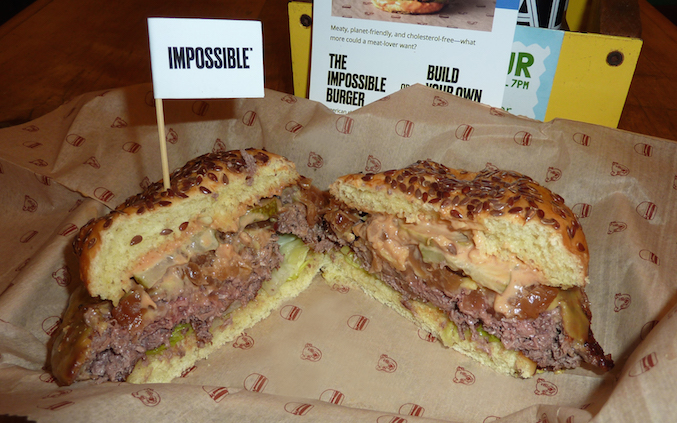
GMO Impossible Burger Tests Positive for Glyphosate

As Beyond Meat’s very successful IPO is bringing a lot of attention to the alt-protein category, it is important to take a look at what exactly are in these food products.

One popular name in this space is the Impossible Burger, a product we first wrote about in 2017 when Freedom of Information Act (FOIA) documents uncovered that the FDA disagreed with the company’s safety assessments of the burger’s main ingredient — soy leghemoglobin. However, the company continued selling it to the public anyhow without informing consumers about the FDA’s very serious concerns.

The issue this time around with the Impossible Burger is the amount of glyphosate that it contains.

Go deeper Arrow

Living Maxwell

Must-Read

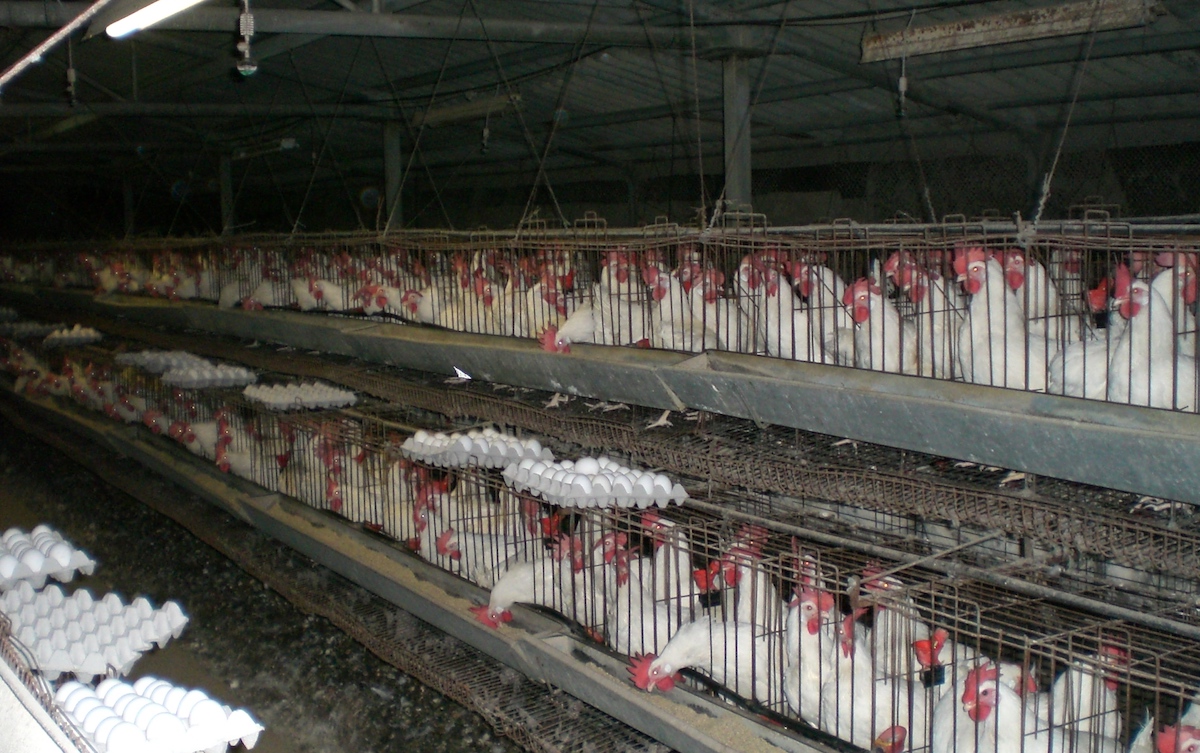
Another Reason to Eat Organic – Arsenic, Caffeine, Antidepressants and Banned Antibiotics are Fed to Chicken

Last year, I put up a post about how arsenic was temporarily banned for use in conventional chickens.

Whether conventional chicken growers actually paid attention to the ban is anyone’s guess, but a column I read yesterday in the New York Times just made me shake my head even further.

In his column, Nicholas Kristof talked about recently released studies that suggest that poultry on factory farms are routinely fed caffeine, active ingredients of Tylenol and Benadryl, banned antibiotics and arsenic.

Go deeper Arrow

Living Maxwell

Must-Read

Cornucopia’s Organic Egg Scorecard – Because Not All Organic Eggs are The Same

Just as The Environmental Working Group recently put out its bottled water rankings, The Cornucopia Institute has done something similar but with eggs.

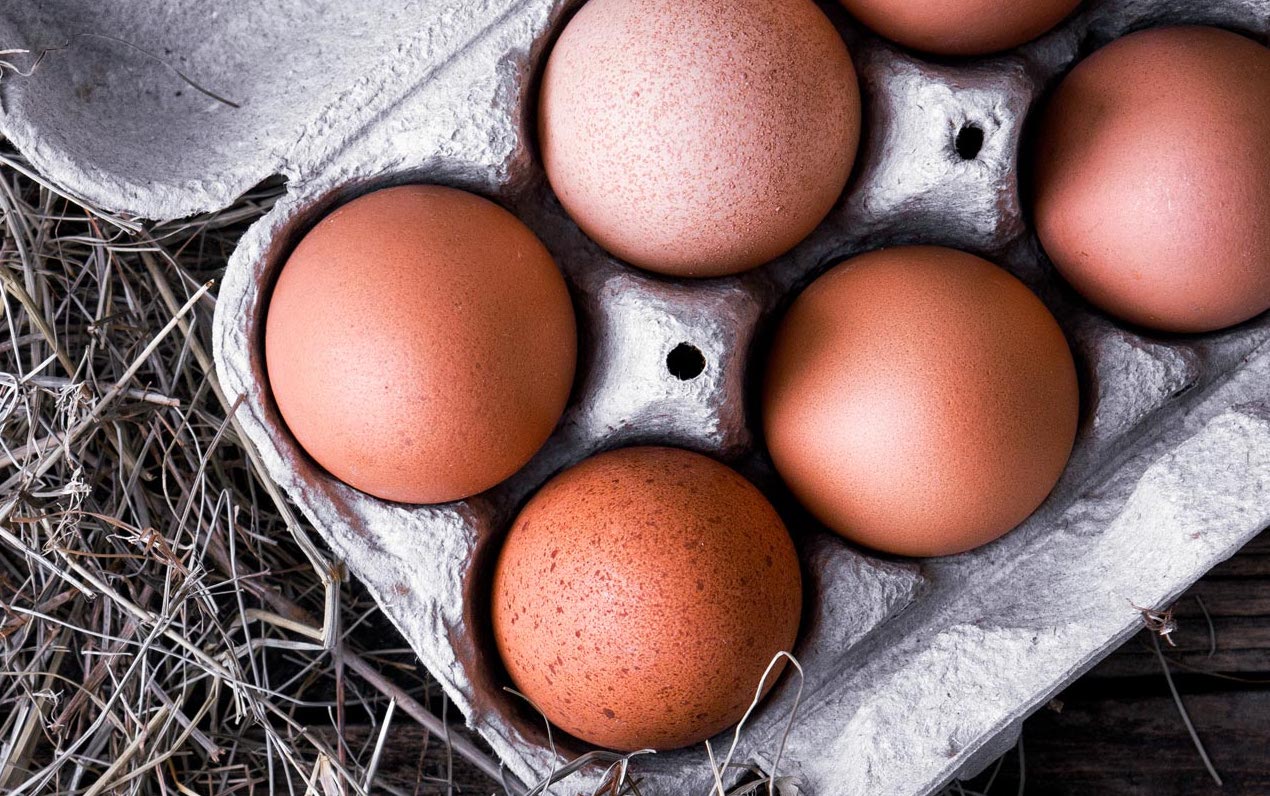
While many people may assume that all organic eggs are very similar, this does not appear to be the case. Cornucopia rated all brands of eggs based on 22 criteria that are important to consumers, and the results — not to mention the accompanying video — were quite telling.

Go deeper Arrow
livingmaxwell: a guide to organic food & drink