
Explore Coverage

Living Maxwell

Better Choices

The Dirty Dozen – 12 Different Fish to Avoid

While many of us are familiar with the Dirty Dozen, the toxic fruits and vegetables to avoid as compiled by the Environmental Working Group, there is a lot of uncertainty and confusion as to what fish are healthy to eat.

One of my favorite non-profits, Food & Water Watch, has addressed this problem and come out with their own Dirty Dozen but for fish. These are the 12fish that they give a big thumbs down to.

1. Atlantic cod

2. Atlantic flatfish, e.g. Atlantic halibut, flounders and sole

3. Caviar, especially from beluga and other wild-caught sturgeon

4. Chilean seabass

5. Eel

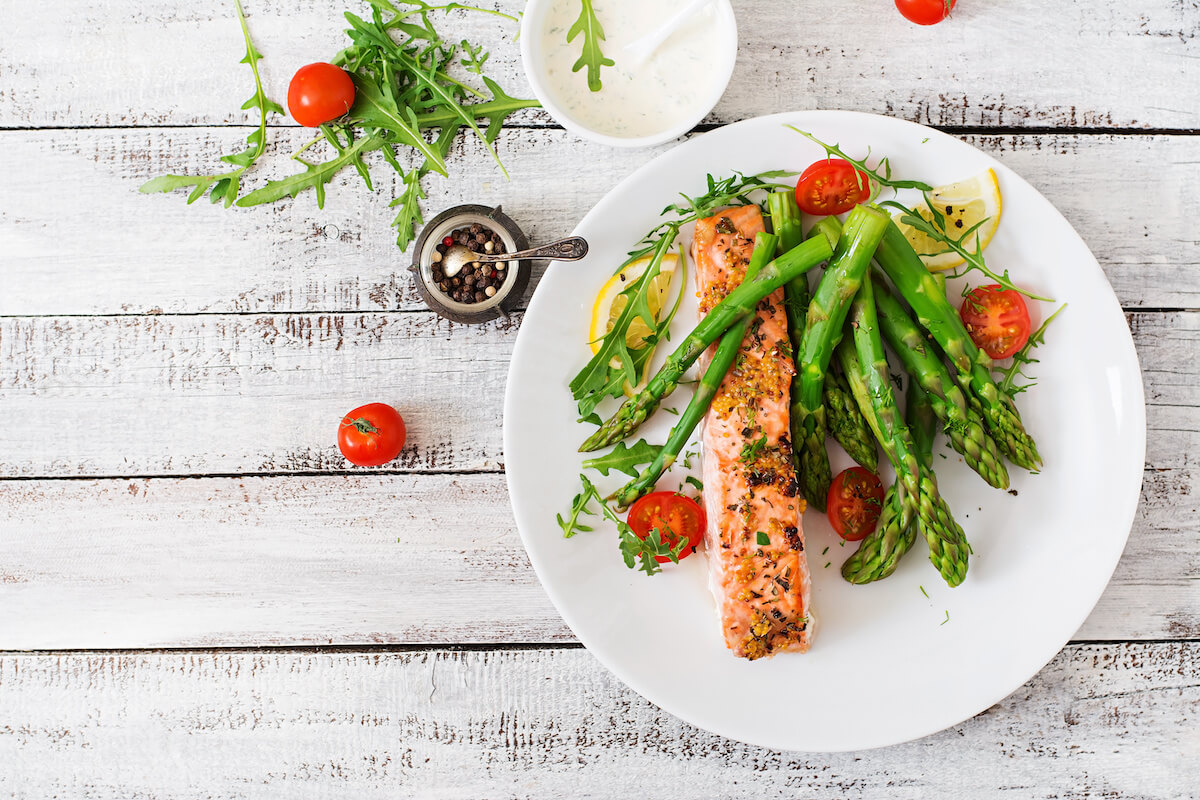
6. Farmed salmon, often called “Atlantic salmon.” (Tip: don’t be fooled by “organic” salmon – it’s usually farmed internationally and not certified by U.S. standards.)

7. Imported Basa/Swai/Tra: (Tip: These are often called “catfish” — ask where it is from and check country of origin labels.)

8. Imported farmed shrimp

9. Imported king crab

10. Orange roughy

11. Sharks

12. Tunas, especially Atlantic bluefin (Pacific albacore and Atlantic skipjack are exempted)

These fish are on this list for one or a few of the following reasons:

– The fish contains mercury or PCBs that can cause serious health problems.

– The fish is imported from countries where health, environmental or safety standards for growing or catching fish are weak and/or non-existent.

– Many wild fish are managed poorly, are caught using gear that can hurt habitat and other wildlife, and/or the stocks are becoming depleted.

Less than 2% of imported fish to the U.S. is tested for contamination.

A message from E3Live

"My Everyday, Must-Have Green Organic Aquabotanical"

The best testimonial that I can give is that I drink this every single day, as it impacts my mood in an incredibly positive way.

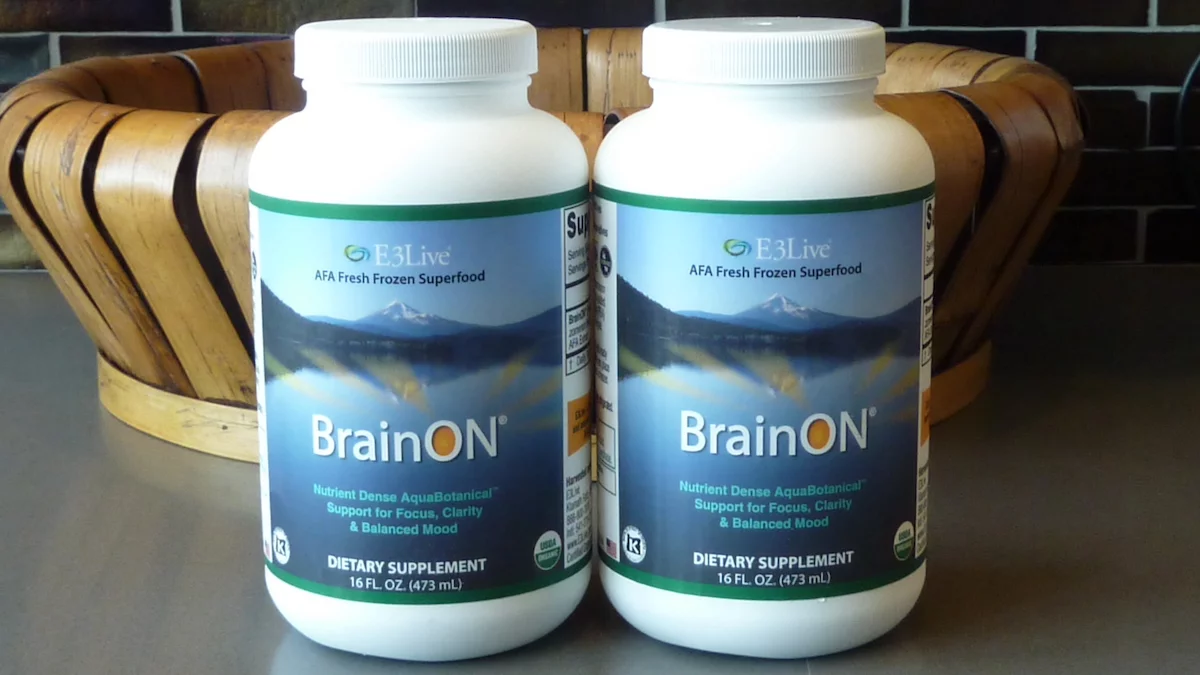
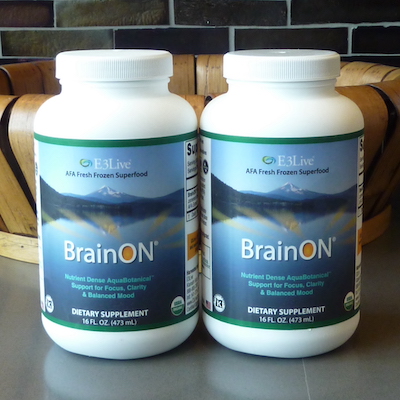
E3Live + BrainON is certified organic, fresh-frozen AFA (Aphanizomenon flos-aquae) with a concentrated, aqueous, organic extract of Phenylethylamine and Phycocyanin.

Learn more.

Go deeper

Living Maxwell

Better Choices

Have We Been Misled? 5 Organic Foods That Should Make You Think Twice

I spend an inordinate amount of time learning about the healthiest and newest organic food products available. Through my research at the various trade shows — most notably, Natural Products Expo East and Natural Products Expo West —  talking to industry contacts, roaming supermarket aisles, speaking with as many well-informed food people as I can and reading books, I have come to the following conclusion:

You can take almost any food in the world and some health expert will have something good to say about it while a different health expert will have something bad to say about it.

So, what I do is educate myself as much as I can and then make my own decision about whether I should be eating it or not.

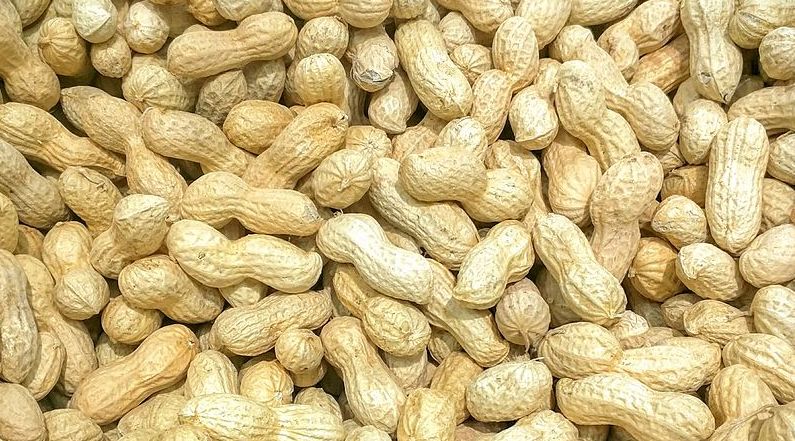
The following five organic foods seem to be the most controversial. While books could be written on all of the foods below and by no means am I covering all of the pros/cons of each, I will try to highlight the most salient points.

Go deeper Arrow

Living Maxwell

Better Choices

RE Botanicals Becomes the First National, Certified Organic CBD Brand for US-Grown Hemp

As you may have already realized, CBD (short for cannabidiol — a cannabis compound) is exploding in popularity and is showing up in an increasing number of food, beverage and personal care products.

Despite the explosion of CBD oils and CBD-infused drinks, almost all of these products do not contain the USDA organic seal.

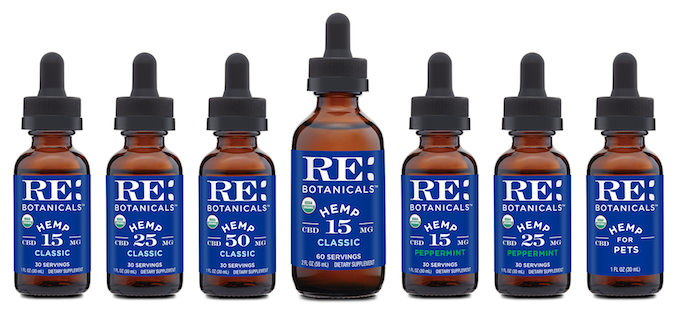
Boulder-based RE Botanicals has bucked this trend and has become the first national CBD brand to receive USDA organic certification for U.S.-grown hemp. Given who is behind RE Botanicals, the fact that it has achieved this milestone should not come as a surprise at all.

Go deeper Arrow

Living Maxwell

Better Choices

Are Fermented Foods the Key to Happiness?

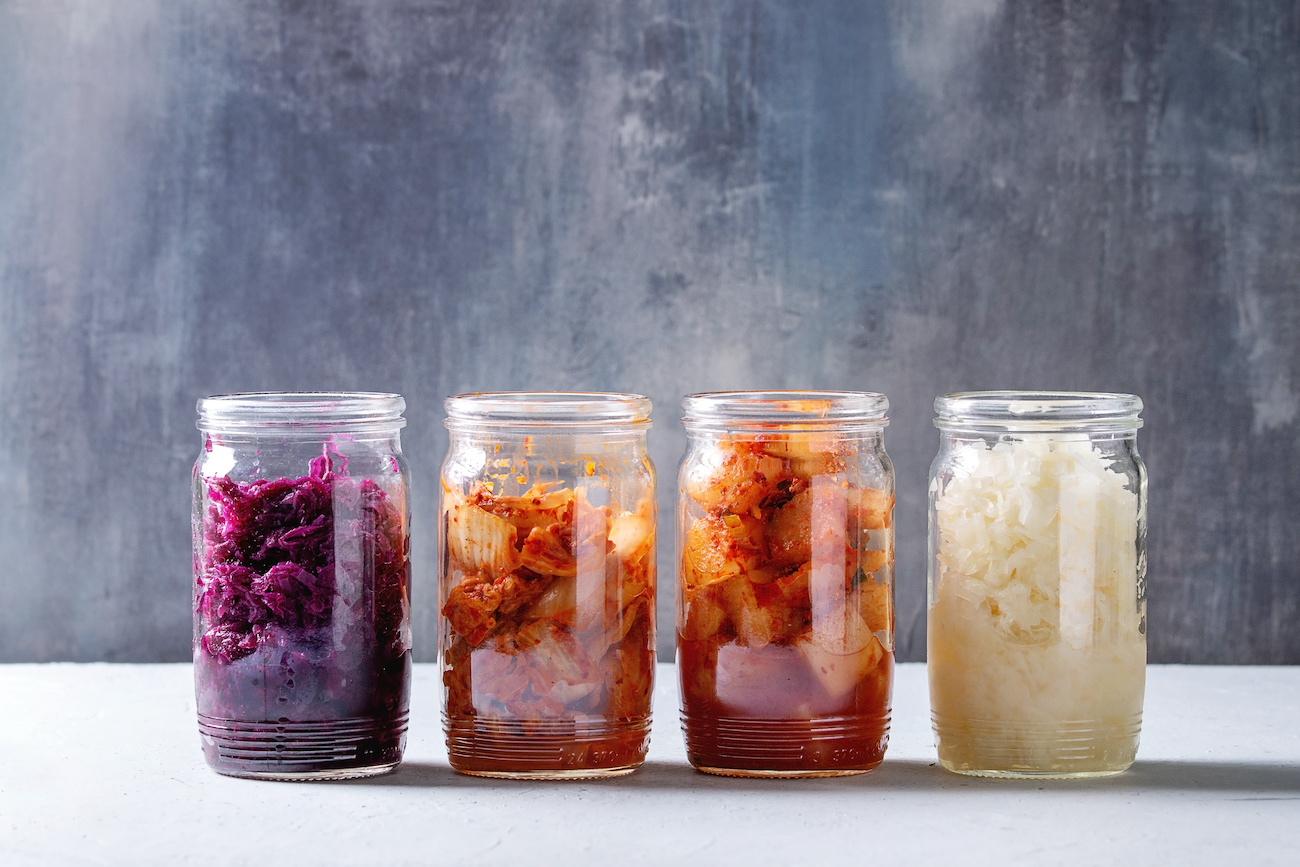
Whether it is with a salad or any other dish that I am making at home, organic fermented foods – usually sauerkraut (above) or kimchee – can almost always be found on my plate. Why is this?

I have come to understand that if we want to have a strong immune system, we must take care of our gut and provide it with beneficial bacteria.

And that is exactly what fermented foods give us – beneficial bacteria.

Dr. Natascha Campbell-McBride, a Russian neurologist and founder of the GAPS Diet, says that:

“about 85% of our immune system is located in the gut wall. This fact has been established by basic physiology research in the 1930s and the 1940s. Your gut, your digestive wall, is the biggest and the most important immune organ in your body. There is a very tight conversation and a relationship going on between the gut flora that lives inside your digestive system and your immune system.

Go deeper Arrow
livingmaxwell: a guide to organic food & drink