

Explore Coverage

Living Maxwell

Better Choices

Organic Wine — Does it Contain Sulfites?

In wine, there are naturally occurring sulfites and added sulfites. The naturally occurring sulfites are a by-product of the fermentation process and it is nearly impossible to have a sulfite-free wine.

Winemakers have been working with sulfite agents, added sulfites, for hundreds of years. They were originally introduced in Europe as a preservative and are used to prevent spoiling.

It is possible, however, to have a wine that is free of added sulfates and that is organic wine. The four main attributes of USDA certified organic wine are:

– Made from grapes that are certified organic

– No toxic or synthetic chemicals, preservatives or pesticides may be used in the grape-growing process

– No added sulfites in the winemaking process

– The sulfite level (from naturally occurring sulfites) cannot exceed 20 parts per million.

Aside from USDA certified organic wine, which is not too common, there is also wine that has “made from organic grapes” on the label. The two main differences difference between a wine that is “made from organic grapes” and a USDA certified organic wine:

– It can contain added sulfites

– Approved sulfite level is higher — 100 parts per million.

As you can imagine, winegrowers who use heavy amounts of chemicals on the grapes will also want to use added  and synthetic sulfites, so as to increase the shelf life of their wine.

Some people are concerned about sulfites because of allergic reactions. Others do not want synthetic sulfites in their body.

My take: If I were still drinking (it’s been 22 years already with no alcohol), I would be looking for USDA certified organic wine only. I would not want to be putting synthetic sulfites into my body, and buying certified organic wine would be the only way to prevent this from happening.


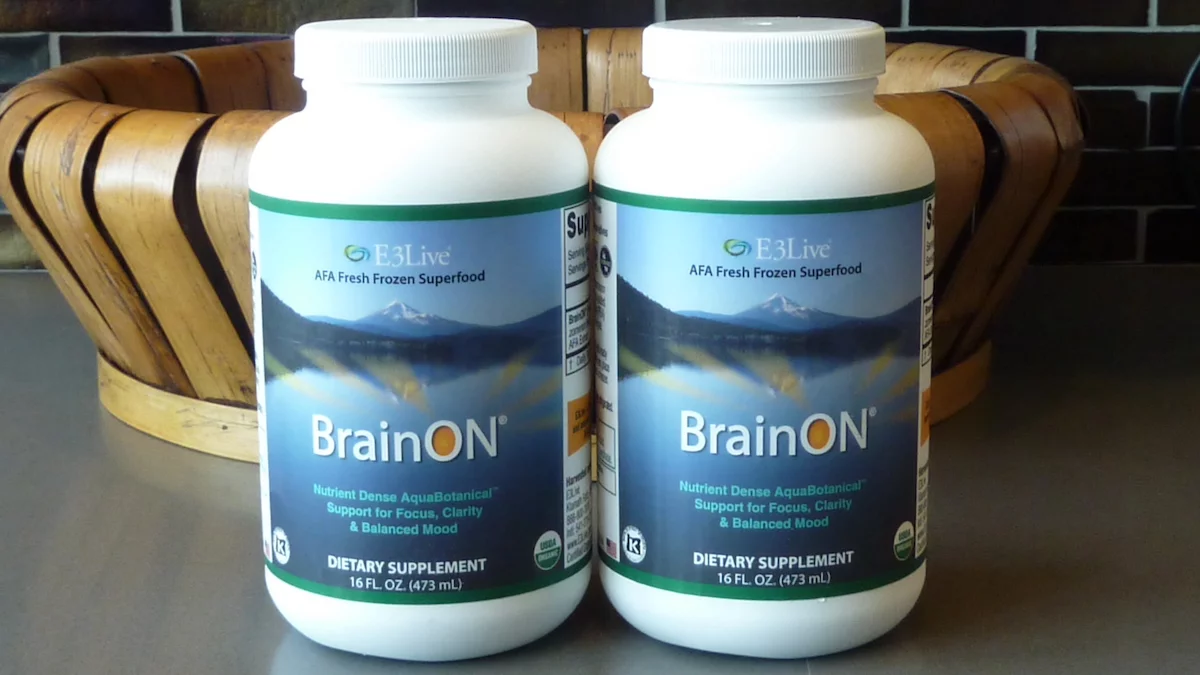
A message from E3Live

"My Everyday, Must-Have Green Organic Aquabotanical"

The best testimonial that I can give is that I drink this every single day, as it impacts my mood in an incredibly positive way.

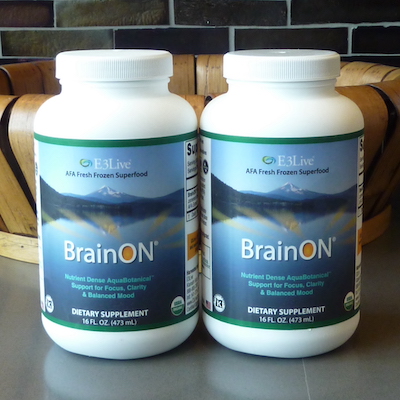
E3Live + BrainON is certified organic, fresh-frozen AFA (Aphanizomenon flos-aquae) with a concentrated, aqueous, organic extract of Phenylethylamine and Phycocyanin.

Learn more.

Go deeper

Living Maxwell

Better Choices

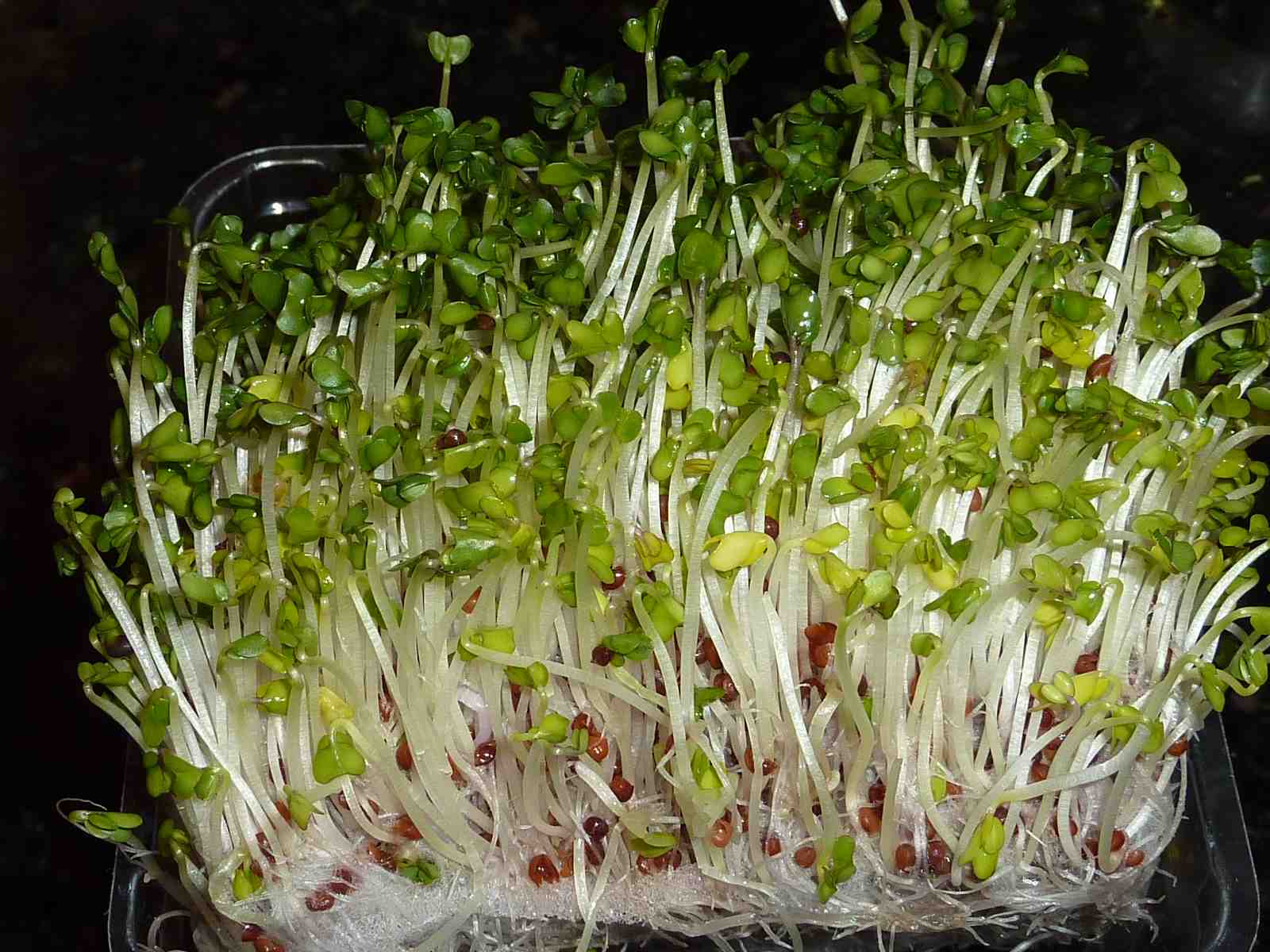
Organic Broccoli Sprouts Provide Amazing Health Benefits…..and Sulforaphane

If you ever go to a talk by Dr. Brian Clement, founder of the Hippocrates Health Institute and the person in this video discussing the merits of Green Juice vs. Green Smoothies, you can be guaranteed to hear this: eat and juice sprouts.

The reason that he is saying this is because sprouts have incredibly important health properties.  They have very high levels of nutrients and enzymes, which provide the body valuable energy to detox and strengthen the immune system.

According to the Hippocrates Health Institute, the other key benefits of sprouts include:

Go deeper Arrow

Living Maxwell

Better Choices

10 Organic Foods You’ll Always Find in My Kitchen

For someone who loves organic food so much and cooks so often, my refrigerator is surprisingly empty. How could this be?

Well, I go food shopping A LOT and pretty much only buy whatever I need for the next meal that I’ll be eating. I have the good fortune of being able to do this because an amazing organic market is literally less a one minute walk from my apartment.

Plus, I LOVE going food shopping and making multiple trips to the market in one day is not exactly a burden. Staring at all of the amazing fruits and vegetables in the produce section is one of my favorite things to do.

Even though I do tend to “buy on-demand”, you’ll pretty much always find these 10 organic foods in my kitchen:

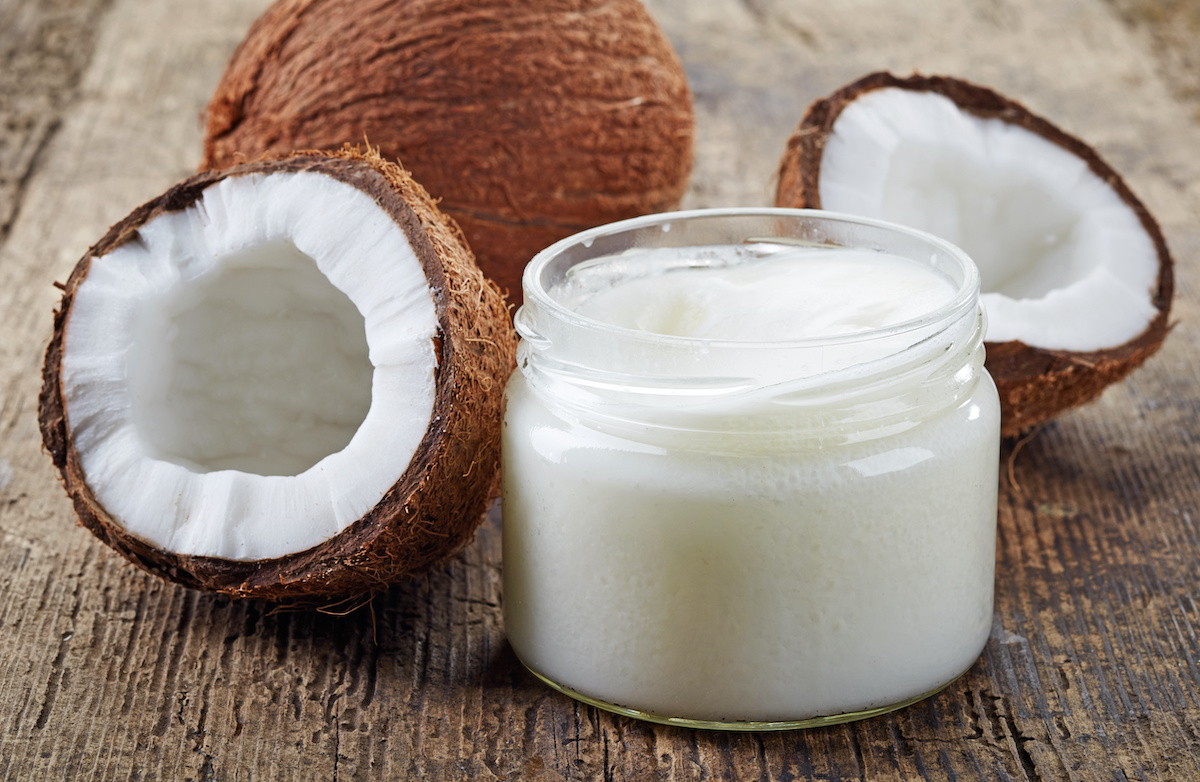
COCONUT OIL I am a huge fan of coconut oil.  Not only is it high in lauric acid and great to use after a workout but it is one of the few oils that you can safely heat and cook with. (Olive oil is not one of them.)

Aside from using organic coconut oil in my smoothies, I use it as a moisturizer as well.

Go deeper Arrow

Living Maxwell

Better Choices

Are Fermented Foods the Key to Happiness?

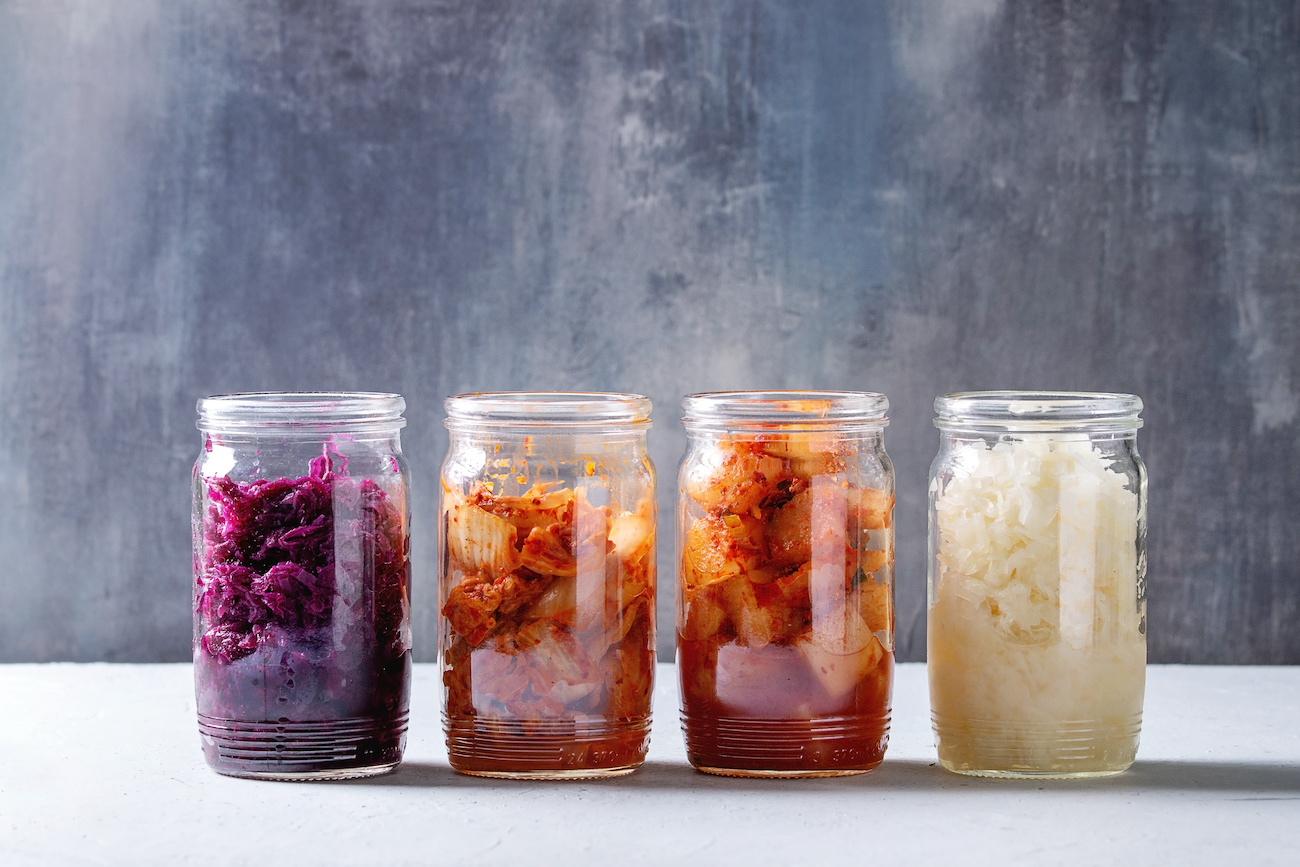
Whether it is with a salad or any other dish that I am making at home, organic fermented foods – usually sauerkraut (above) or kimchee – can almost always be found on my plate. Why is this?

I have come to understand that if we want to have a strong immune system, we must take care of our gut and provide it with beneficial bacteria.

And that is exactly what fermented foods give us – beneficial bacteria.

Dr. Natascha Campbell-McBride, a Russian neurologist and founder of the GAPS Diet, says that:

“about 85% of our immune system is located in the gut wall. This fact has been established by basic physiology research in the 1930s and the 1940s. Your gut, your digestive wall, is the biggest and the most important immune organ in your body. There is a very tight conversation and a relationship going on between the gut flora that lives inside your digestive system and your immune system.

Go deeper Arrow
livingmaxwell: a guide to organic food & drink