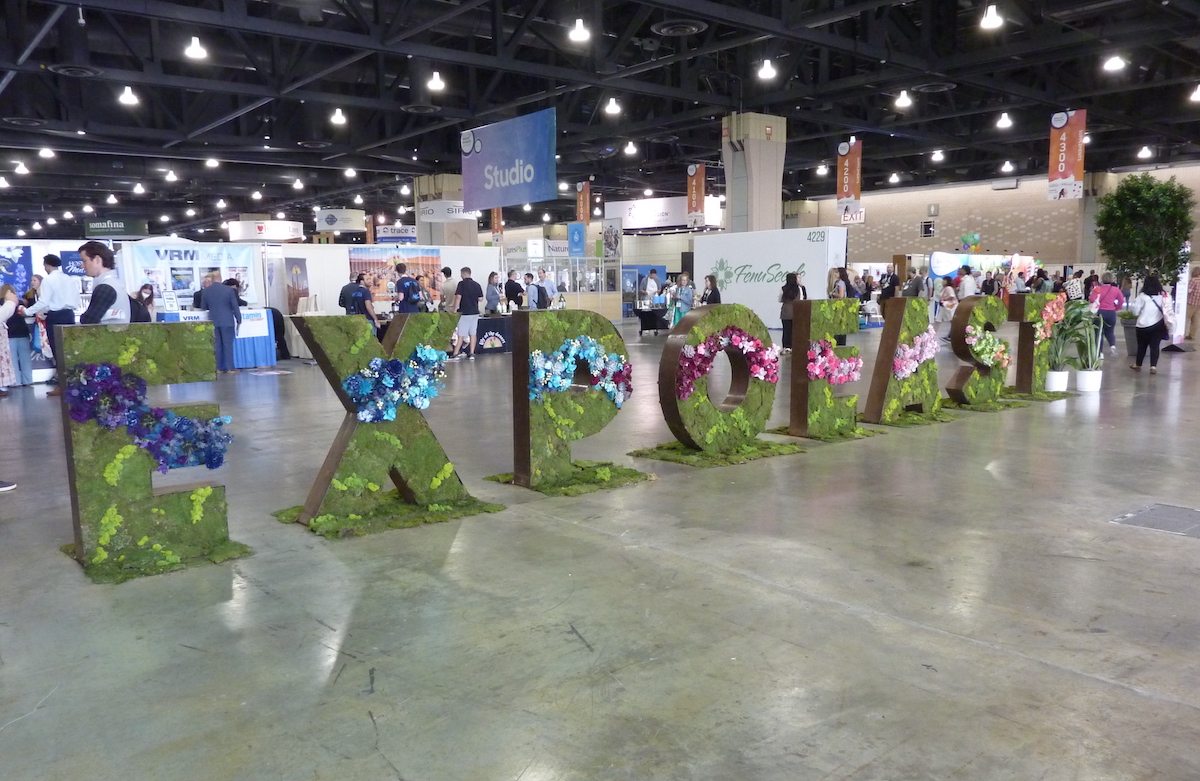
For as long as I have been covering the organic food industry and giving out Natural Products Expo West awards, it has always been a Top 5 list.
However, due to the incredible number of fantastic products that I saw at the 2024 show and at the urging of my good friend Liana Werner-Gray, I have expanded the list to a Top 10.
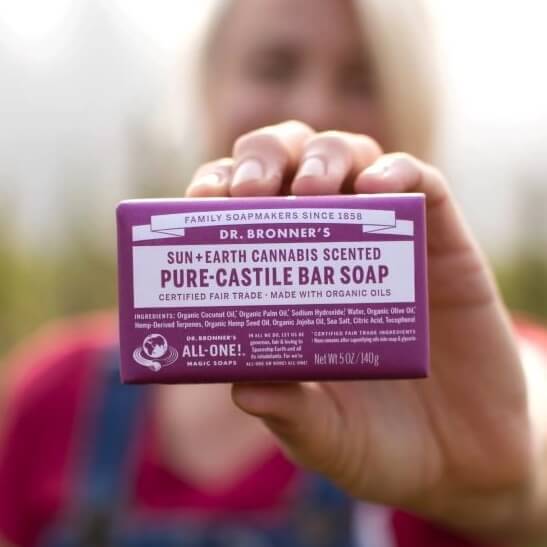
For those of us who are fans of Dr. Bronner’s, the company’s products have a constant presence in our households, and we use them to clean our bodies and physical surroundings on a daily basis.
While this is unquestionably a critical component of our lives and imperative to maintain good health, cleaning transcends removing whatever is on our skin, on our clothes or on our kitchen countertops. It also affects our emotional well-being and directly impacts how we show up in the world.
For as long as I have been covering the organic food industry, I have attended Natural Products Expo East, with my first show in Boston in 2009.
So, it is very bittersweet to report that after last week’s show in Philadelphia, there will be no more Expo East moving forward. New Hope, the organizer of the event, has decided to launch something new in 2024 called Newtopia Now.
In the summer of 2001, after being on Prozac for more than a decade, I made the life-altering decision to go off of antidepressants.
Despite what doctors and nearly everyone else around me were saying – that I had a chemical imbalance and that antidepressants were essential to keep me going – I believed otherwise. Intuitively, I knew that there was a better way to live, yet almost no one in my support system was in agreement with this line of thinking.
For the millions of people facing depression and who have similar doubts about medication being the only answer, a book has arrived that completely validates our concerns.
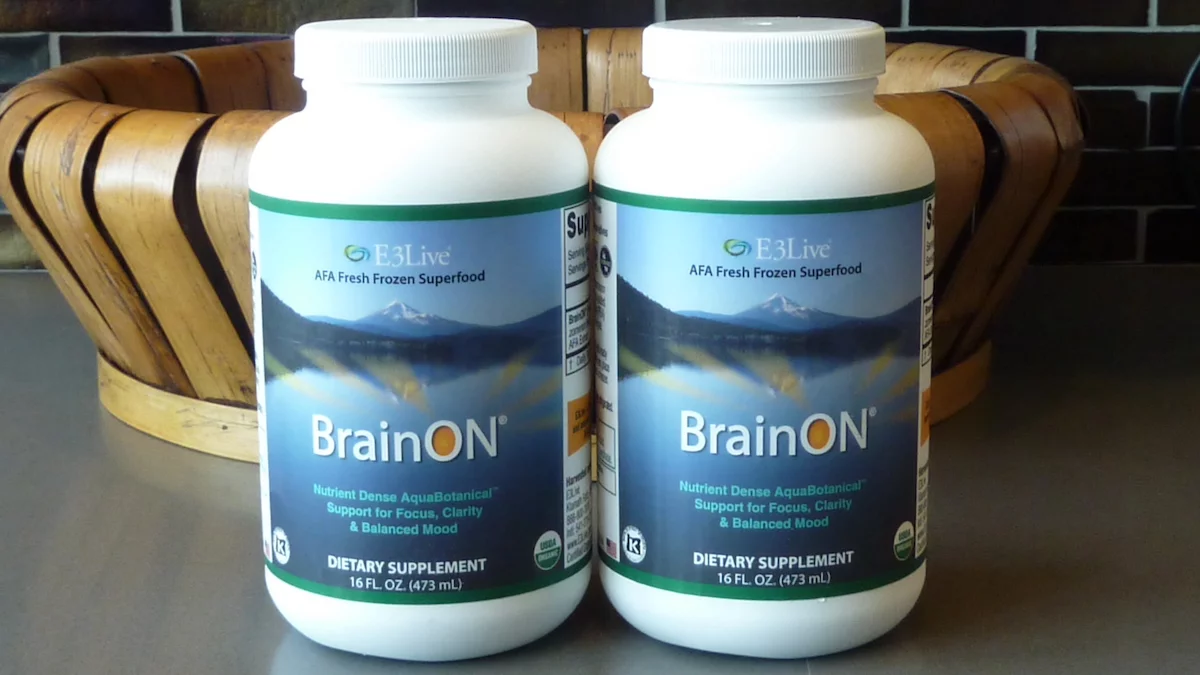
"My Everyday, Must-Have Green Organic Aquabotanical"
The best testimonial that I can give is that I drink this every single day, as it impacts my mood in an incredibly positive way.
E3Live + BrainON is certified organic, fresh-frozen AFA (Aphanizomenon flos-aquae) with a concentrated, aqueous, organic extract of Phenylethylamine and Phycocyanin.
The reason for my trip to Costa Rica was to come learn about a place called EARTH University.
EARTH University in Costa Rica is a 4-year accredited school where students come from all over the world to learn about sustainability and entrepreneurship. The goal is to have these students take these skills and knowledge back to their home countries after graduation in order to positively impact their communities.
What is important to know about EARTH University is that almost all of the students come from Latin America and Africa, 71% of the students come from rural impoverished areas, and 60% of the students receive full scholarships.
If you haven’t noticed by now, organic is under constant attack in the media for one simple reason — healthy, organic food has become a serious threat to the business model of Big Ag and their chemical-laden GMOs.
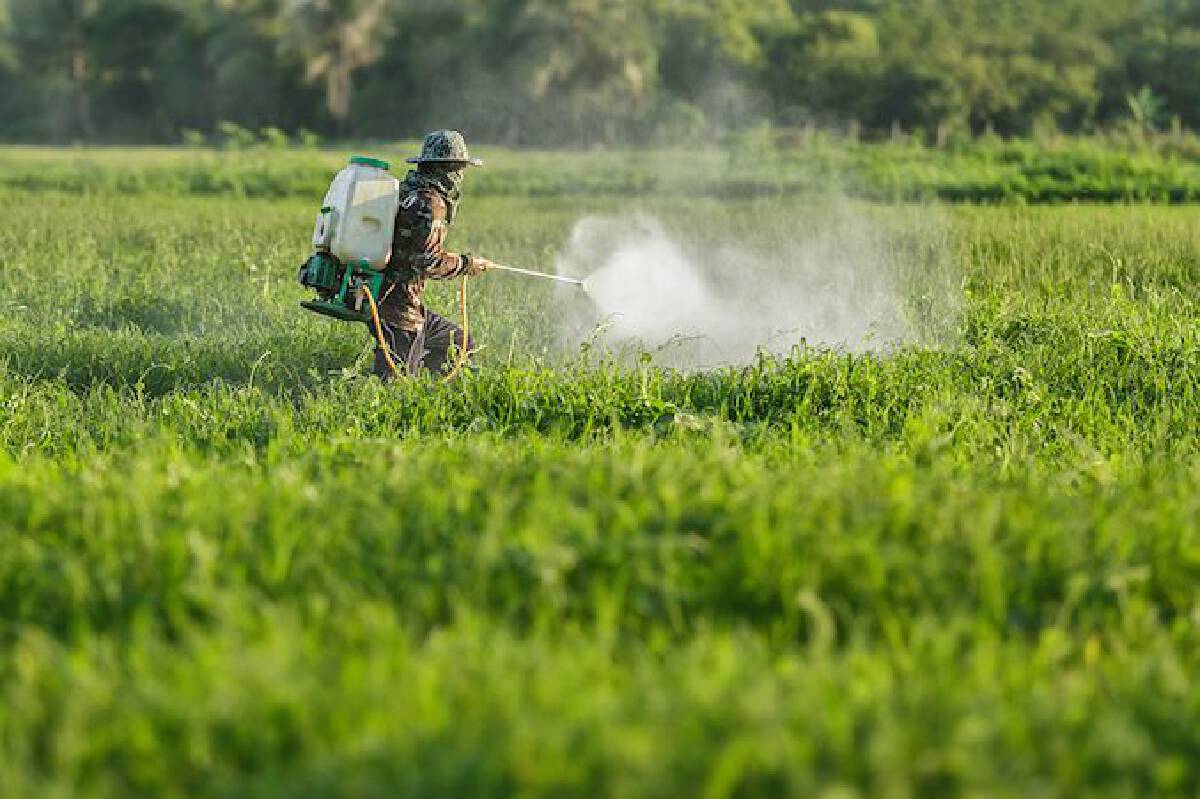
While critics will often say that organic is a waste of money and that the nutritional differences between organic and conventional are negligible, here are three reasons why you should completely dismiss their words — glyphosate, atrazine and chlorpyrifos.
But milk is by no means the only item that people should be concerned about.
The worst offender on the Environmental Working Group’s Dirty Dozen list are apples.
Forbes magazine recently did an excellent piece talking about five reasons to eat organic apples, and I wanted to share the highlights with you and provide commentary. To read the full article, click here.
Reason #1 – The average conventionally grown apple has more pesticide residue on it than any other fruit or vegetable.
Data from the Environmental Working Group showed that 98% of 700 apples tested had pesticides on them and that 48 different pesticides appeared. WOW!!!!
* Iconic cereal brand Nature’s Path has quit the Organic Trade Association (OTA) as a protest to save organic.
* The company says the OTA “is not working in step with organic advocates to protect and strengthen the original principles of the organic movement” and is not acting with sincerity when it comes to hydroponics, the most divisive issue in organic.
* BASF and Cargill have been granted membership in the OTA, even though their GMO and chemical products “are actively harming” organic farmers.
* The OTA defends its governance, transparency and organic agenda.
—
For some people, having BASF — one of the world’s most powerful chemical and GMO companies — as a member of the Organic Trade Association (OTA) is not a problem.
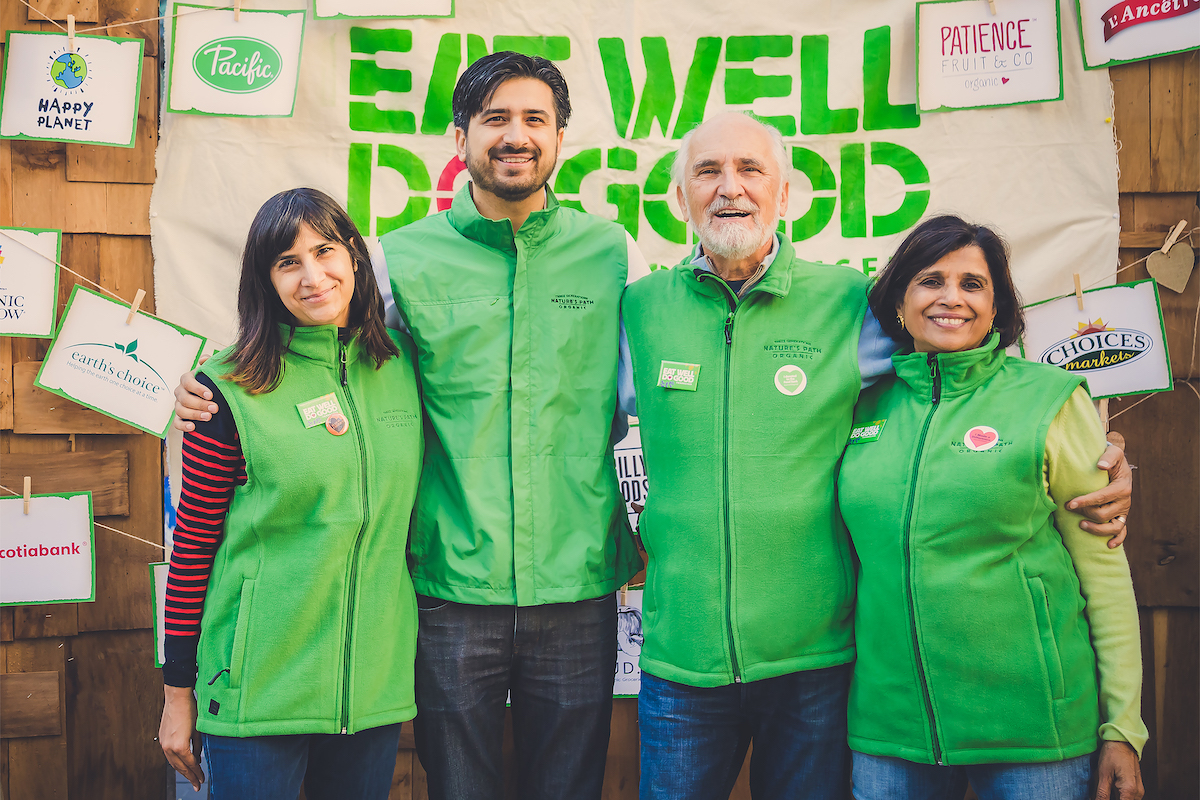
For Arran Stephens, CEO and Co-Founder of the fiercely independent, family-owned Nature’s Path, this was something that he could no longer tolerate.
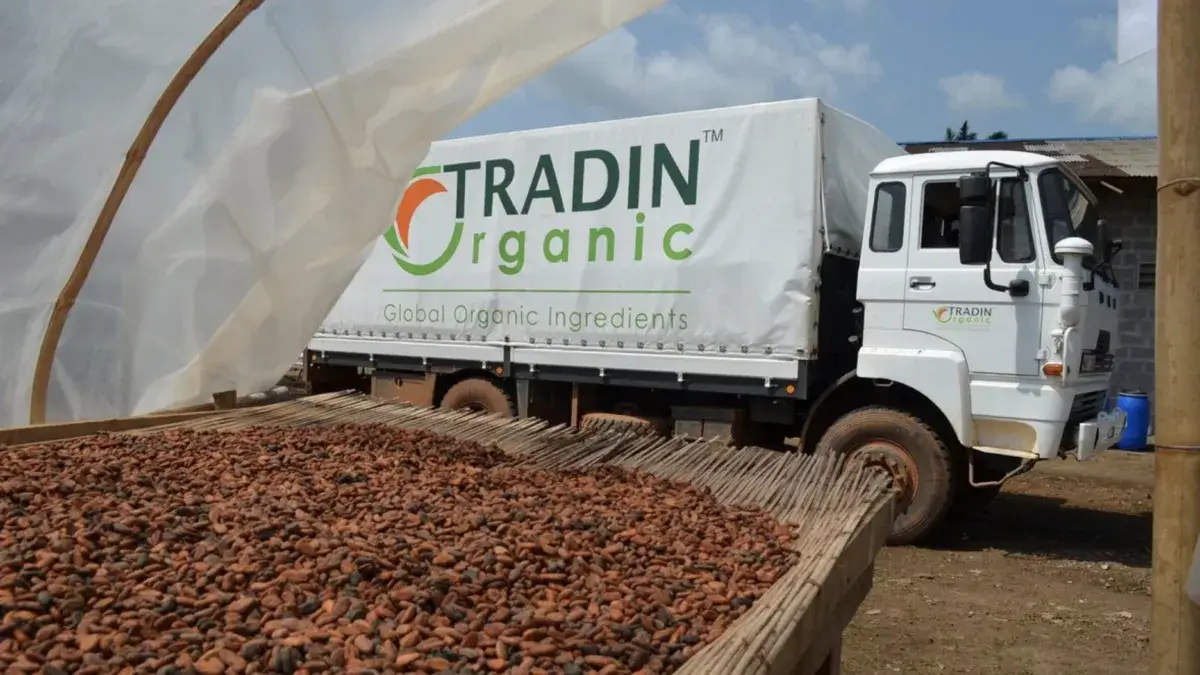
Why Tradin Organic is Prioritizing Regenerative Organic Farming
At Tradin Organic, we believe that regenerative organic farming is key to growing healthy and nutritious food ingredients — for now and for future generations.
And in Sierra Leone, we have grown the world’s first Regenerative Organic Certified cacao.
Last week in Costa Rica, I visited with some women entrepreneurs who are receiving microloans from the Whole Planet Foundation, a non-profit organization of Whole Foods.
I have written about the Whole Planet Foundation before and the amazing job that it is doing around the world but meeting the loan recipients in-person gave me a much greater appreciation for the impact that this program is having.
Women entrepreneurs from impoverished communities receive loans, starting at a few hundred dollars, to start businesses – baking, sewing, buying animals, running a small store, etc. With a 98% success rate (only 2% of the loans default), this incremental revenue plays an essential role in improving the well-being and welfare of thousands of families.
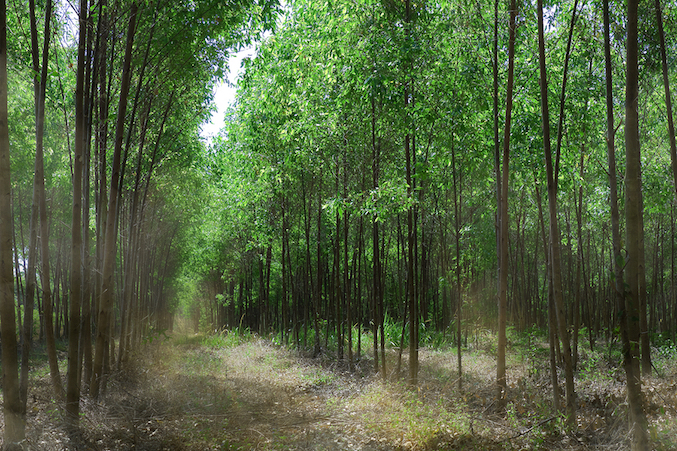
It is bad enough that we have to deal with genetically-engineered foods, but now we are facing the prospect of something potentially even more scary: genetically-engineered trees.
Tree biotech company ArborGen is requesting an unprecedented USDA approval for its genetically-engineered (GE), “freeze tolerant” eucalyptus. If the USDA grants this approval, it will be the first-ever GE-forest tree to be commercially grown in the U.S., allowing ArborGen to plant massive, unregulated GE-tree farms.