




Living Maxwell
Better Choices
What You Need to Know About Buying Organic Food in Cans

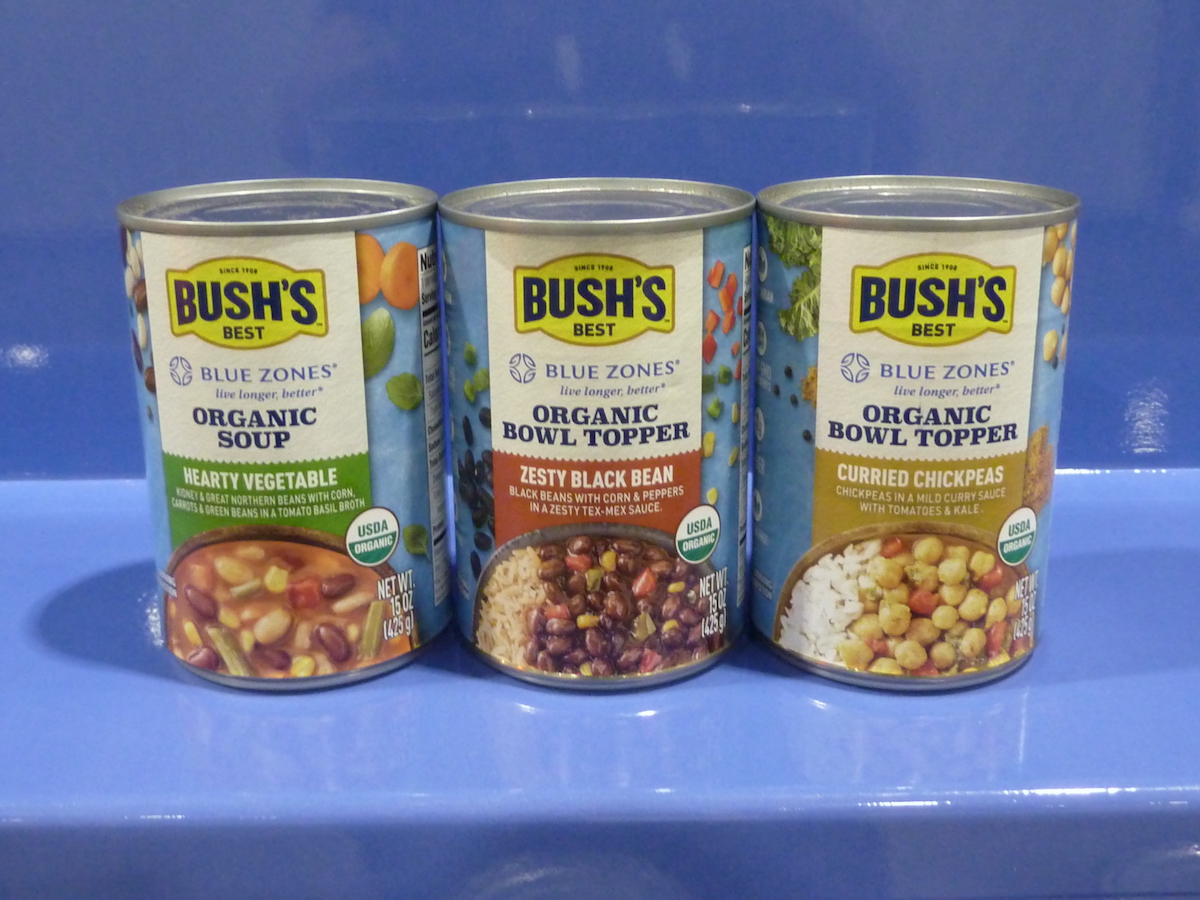
While I promote organic food as much as I can and want to help the industry prosper, I also feel a need to educate and inform my readers.
Without question, organic food is the healthiest food that exists and is something that I believe can feed the planet. However, sometimes the packaging of organic food products is not always the best.
I have talked a lot in the past about my aversion to plastic bottles. Aside from the fact that they are horrible for the environment, they are also hormone (endocrine) disruptors.
When I spoke with David Wolfe, the most famous person in the raw food world, he shared a similar opinion regarding plastic.
Have I eliminated plastic bottles 100% from my life? No, but my usage has gone way, way down.
When I carry my water around NYC, I use glass bottles. And I LOVE the glass bottles by Takeya.
Every time I go into my local organic market, I see cans of organic food — beans, pasta sauce, tomato paste, etc. Many of these items are using cans that contain BPA (bisphenol A), a chemical that the FDA has real worries about.
The FDA has some concern about “the potential effects of BPA on the brain, behavior, and prostate gland in fetuses, infants, and young children.”
If the FDA, which is so beholden to Big Ag and doesn’t express any real concern about GMOs, has trepidation about BPA in packaging, it is something to pay attention to.
Brands that Use BPA-Free Cans
While there may be other brands that offer organic food in BPA-free cans, these are the ones that I am aware of.
EDEN ORGANIC
– Eden Organic has been using BPA-free cans since 1999. This company has been way ahead of the curve on this whole BPA issue and their efforts are very admirable. The Eden Organic products that do not use BPA cans are the organic beans, refried beans, chilies and rice & beans.
The Eden Organic products that contain tomatoes do use BPA cans.
NATIVE FOREST, NATIVE FACTOR
– Native Forest and Native Factor brands by Edwards & Sons have all of their products (except mushrooms) in BPA-free cans.
Interestingly, the labels do not say BPA-free but I have spoken with the company and they have assured me that all of the products (except mushrooms) under the Native Factor and Native Forest brands are not sold in cans that contain BPA.
MUIR GLEN
– Muir Glen says on their website that they are transitioning to BPA-free cans. What does this mean exactly?
Well, when I called the company, I was told that there are some organic tomato products that have the BPA-free cans and some that do not. However, none of the cans have labels on the outside indicating whether it is BPA-free or not.
I was told that the only way to tell if the Muir Glen can is BPA-free is to buy it and then look at the color of the liner inside.
If the liner is white, it is a BPA can. If the liner is an off-white color (yellow, copper, redish, pinkish color), then it is a BPA-free can.
When I asked to speak with a PR person at Muir Glen about this, I was refused.
I can promise you that I won’t be buying Muir Glen cans anytime soon and playing roulette as to whether the product contains BPA or not.
——–
Even if the cans are BPA-free, the liners will contain other chemicals, many of which we don’t understand the long-term consequences to human health.
If you still have doubts about BPA-free cans, my best advice is to stick with glass as much as you can.