





Living Maxwell
Better Choices
Top 10 Green Vegetables by Nutrient Density

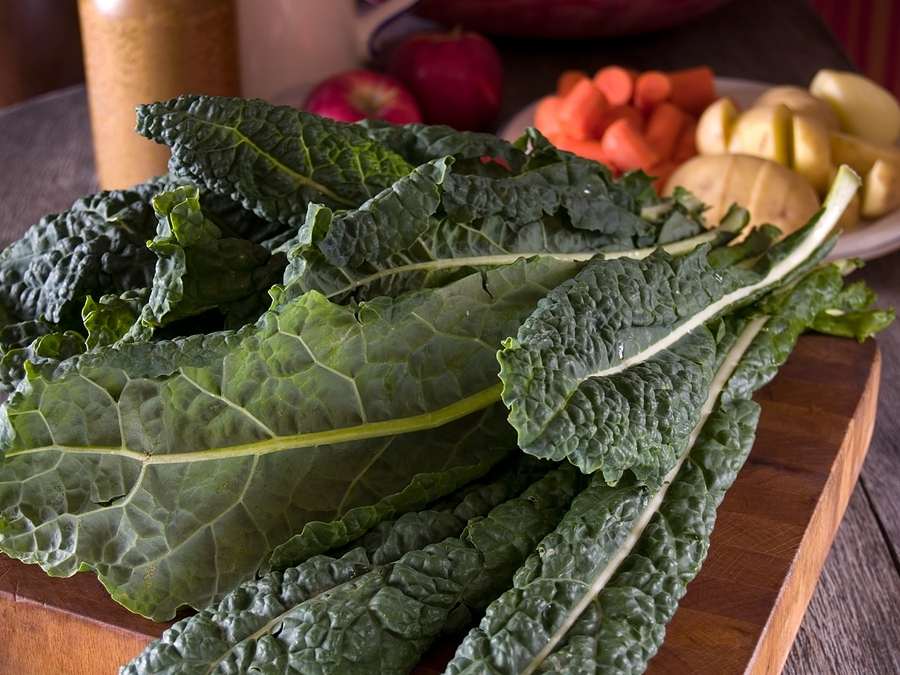
When you go into the produce section of Whole Foods, you’ll notice signs that say “ANDI Score” with a number associated with that respective food.
Created by Dr. Joel Fuhrman, ANDI stands for “Aggregate Nutrient Density Index” and ranks a food’s nutrient density on a scale from 1 to 1000.
The ANDI scores are calculated by evaluating an extensive range of micronutrients, including vitamins, minerals, phytochemicals and antioxidant capacities, and by dividing the nutrient level of a food by its caloric content (N/C).
As such, the motivation behind creating this index was to emphasize the importance of eating foods that are rich in nutrients on a per calorie basis.
For example, kale, a dark leafy green, scores 1000 while soda scores 1.
As provided by Whole Foods, here are the top 10 most nutrient-dense green vegetables and their respective ANDI scores.
1. Mustard/Turnip/Collard Greens – 1000
2. Kale – 1000
3. Watercress – 1000
4. Bok Choy/Baby Bok Choy – 824
5. Spinach – 739
6. Broccoli Rabe – 715
7. Chinese/Napa Cabbage – 704
8. Brussels Sprouts – 672
9. Swiss Chard – 670
10. Arugula – 559
MY TAKE
1) I think the ANDI scores are an excellent reference tool, especially when you are shopping and are not sure about which food to purchase.
That being said, it is just one assessment and it is not the only guide that a person should use when deciding which specific foods to eat.
Take walnuts, for example.
Regarded by many people as the best nut available, walnuts are amazing source of omega-3s, manganese and potassium. Furthermore, they have very strong anti-inflammatory and anti-cancer properties, and contain a phytonutrient, the quinone juglone, that is not found in almost any other commonly-eaten foods.
Yet, walnuts only have an ANDI score of 34 and are rated as the 8th highest, nutrient-dense nut.
Another point to remember: Just because greens have the highest ANDI scores, this does not mean that greens should comprise one’s entire diet.
As legendary natural healer Dr. Bernard Jensen believed, the diet should consist of a rainbow of colors – meaning that we need foods that contain all of the colors.
2) When I went to go see Dr. Joel Furhman speak at the Whole Foods Wellness Club in Tribeca, he said that there was no distinction between the nutritional value of non-organic and organic foods.
I strongly, strongly disagree with him on this point for two reasons.
1) Recent research points to the contrary
A study completed at Washington State University regarding strawberries and the one at the University of Barcelona regarding tomatoes demonstrate the organic has higher levels of nutrients and antioxidants.
2) Common Sense
Putting empirical evidence aside, nutrition is all about soil quality.
If your soil is nutritious, vibrant, healthy and filled with vital micro-organisms, the plant will be nutritious. And vice-versa.
Conventional agriculture ravages the soil by spraying it with toxic pesticides, herbicides and insecticides, and practices monocropping, the practice of growing the same plant year-after-year on the same land, which kills the soil’s ecology.
From a purely intellectual perspective, I just don’t know how anyone can make the argument that the nutrition levels could be the same. In my mind, it just doesn’t hold at all.
The reason for Dr. Joel Fuhrman’s stance on this matter, however, may be for a specific reason.
Dr. Joel Fuhrman’s mission is to improve the health of the broad population by getting individuals to switch to a heavy plant-based diet.
And if pushing organic as well would dissuade people from eating more plant-based food because they can’t afford or don’t have access to organic, it is not helping achieve his overall mission.
While I incorporate many, many plant-based foods in my diet, my agenda is different. I promote organic. Why?
Unquestionably, it is the superior food on the planet and does not contain toxic chemicals, genetically-modified organisms, and artificial growth hormones.
And among other things, organic agriculture treats the soil with respect, which in turn provides us with the highest nutritional food possible.